
European Heritage Days Article:
Planning Heritage at Risk Events About Landscapes, Architecture and Cultural Traditions
European Heritage Days Article:
Planning Heritage at Risk Events About Landscapes, Architecture and Cultural Traditions
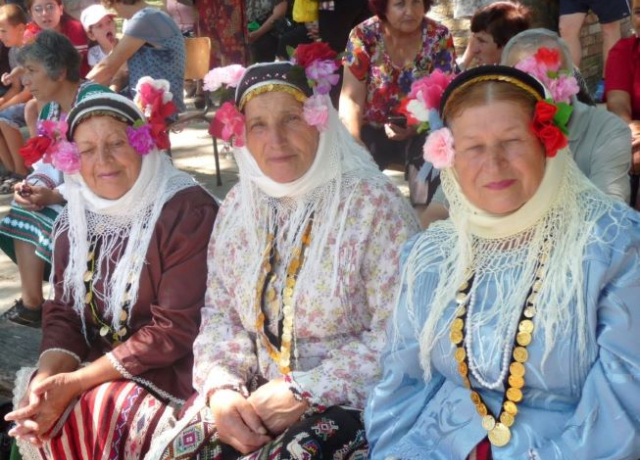
Tarakluka Traditional Folklore Festival of Song and Dance - EHD Story, Bulgaria - Photo credits: Tarakluka Traditional Folklore Festival of Song and Dance
There are a wide range of potential topics to explore through the Heritage at Risk theme. To help organisers get started, this article takes a look at event ideas and case studies across three key categories; protecting landscapes, conserving historic architecture and preserving cultural traditions.
Promoting and participating in cultural traditions and stories
Traditional practices like music, dance and language can be at risk of being lost or depersonalised with contemporary factors such as increasing digitalisation and urbanisation changing the nature and context of community interactions. Event ideas to revitalise these endangered ways of life might include a celebration of traditional festivals or rituals through public performances, alongside demonstrations and participatory activities to explore the history and meaning of these occasions. The Tarakluka Traditional Folklore Festival of Song and Dance is one European Heritage Days Story example from Bulgaria, which is upholding traditional local customs through an annual weekend of performances. Recently featuring those aged from 4 to 90 in traditional dress, it has been encouraging locals who have moved away to value the continuity of their heritage, while also welcoming visitors from other countries to explore cross-cultural influences. Adaptable to all ages, these kinds of creative events can be a great way to connect with families. Other ideas to do this could include playing traditional sports and board games, or cookery workshops to create dishes which are associated with specific seasons or festivals, or which use local produce to make family recipes.
“We asked ourselves, which stories are the real ones, the important ones, which stories can be considered the heritage of the city, and we quickly agreed that all of them are.” This is the background of the Festival of Walks in the Slovenian city of Maribor, another European Heritage Days Story about intangible heritage. For this project, residents are invited to take groups of the public on narrated journeys through city streets while highlighting lesser-known stories of everyday life. Storytelling events like these walks could spark interest in discovering more about the history of places and people and support Heritage at Risk by preserving oral heritage and transmitting local knowledge across generations.
Highlighting and supporting architectural conservation needs
Open days and tours of historic buildings always feature prominently during European Heritage Days, and this year’s Heritage at Risk theme will be drawing particular attention to the need for their conservation and ongoing maintenance. Aiming to secure a viable future for at risk monuments and sites, Europa Nostra’s ‘7 Most Endangered Programme’ is one resource which could be helpful in finding examples of places facing risks such as demolition, overdevelopment, natural disasters or neglect. Recently highlighted sites cover a wide range of architectural styles, ages and functions across Europe, from the ruins of an 18th century palace being overgrown by vegetation at the Domain and Royal Museum of Mariemont in Belgium, to the 20th century Central Post Office of Skopje in North Macedonia which was damaged during a fire. Representing a citizens’ movement in safeguarding cultural heritage through an annual call for nominations from the public, this idea could perhaps be replicated at a more local level through a community poll or vote to raise awareness about places people want to see restored or brought back into use.
Other events to focus on the importance of local support and the impact of individuals for protecting architectural heritage could include workshops about conservation methods to encourage sustainable maintenance of built structures, while demonstrations of techniques to help protect historic buildings against climate change and risks such as floods, storms and drought could help mitigate the effects of future damage. For families, a children’s scavenger hunt in a town or village could highlight hidden or lesser-known heritage sites or features which face threats to their future, while model-building workshops to create replicas of these endangered monuments could help foster personal connections with them.
Appreciating and protecting landscapes and nature
Reflecting the goals of The European Landscape Convention (Florence, 2000) which set out measures for landscape management, the Heritage at Risk theme also aims to highlight the need to protect Europe’s landscapes against damage and degradation. This might include events looking at natural sites from coastlines to forests, as well as cultural landscapes like terraced fields or gardens, while considering threats to these areas such as industrial processes or unsustainable tourism practices. One resource to find case studies of places which have successfully implemented protection measures can be found through The Landscape Award of the Council of Europe, which has highlighted projects such as introducing cattle for natural grassland management in the Zámoly Basin in Hungary and removal of waste from the coal industry to allow regeneration of flora and fauna on the Durham Heritage Coast in the UK.
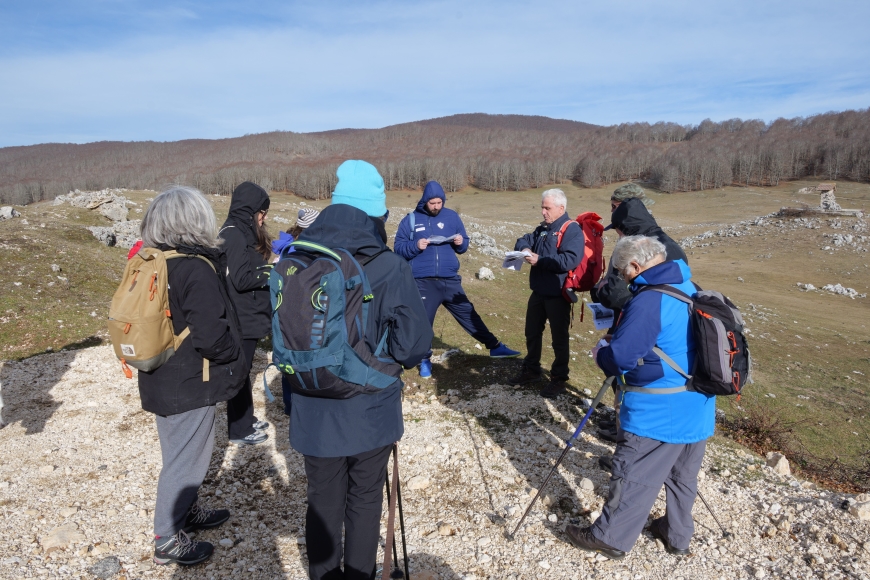
Walking Ancient Trails in the Footsteps of the Transhumants – EHD Story, Italy - Photo credits: European Cultural Route ‘Transhumance Trails’
Landscape events such guided woodland walks or bike rides along countryside routes could encourage visitors to appreciate the need to protect areas of natural beauty and the benefits to quality of life these spaces can provide. Local farmers might also be encouraged to give tours of spaces such as historic vineyards, with a focus on their role as custodians of the land and the environmental benefits of traditional land management practices. One example of this idea in practice can be found in a European Heritage Days Story from Italy in which guided excursions along parts of the Council of Europe’s Transhumance Route took the public on trails to discover the environment through the context of traditional sheep and goat herders. As well as the land, waterscapes can also be explored through the theme, for example focusing on threats to coastal heritage such as rising sea levels. In cities, events might aim to connect with residents at urban green spaces or waterways, while litter picking events could help encourage people to get actively involved in caring for their environment whether in towns or in more rural settings such as beaches.
More ideas, advice and further reading about this year’s Heritage at Risk theme can be found in the European Heritage Days 2026 brochure for organisers, available to download for free on our publications page.