
The Day of Finados in the Canary Islands / El día de Finados en Canarias
Texto en español:
Nuestro proyecto audiovisual se concibió como una exploración de la cultura canaria, demostrando que su patrimonio arquitectónico, inmaterial y legendario son hilos inseparables de una misma historia. La forma en que mezclamos estos elementos fue clave para que el espectador sintiera que coexisten e influyen en nuestra visión del mundo. Para recalcar lo arraigada que está la tradición de Finados y su transmisión generacional, se nos ocurrió crear una pequeña película de estilo antiguo. Esta estética envejecida no solo subraya la antigüedad de la tradición, sino que también evoca una profunda nostalgia por el pasado.
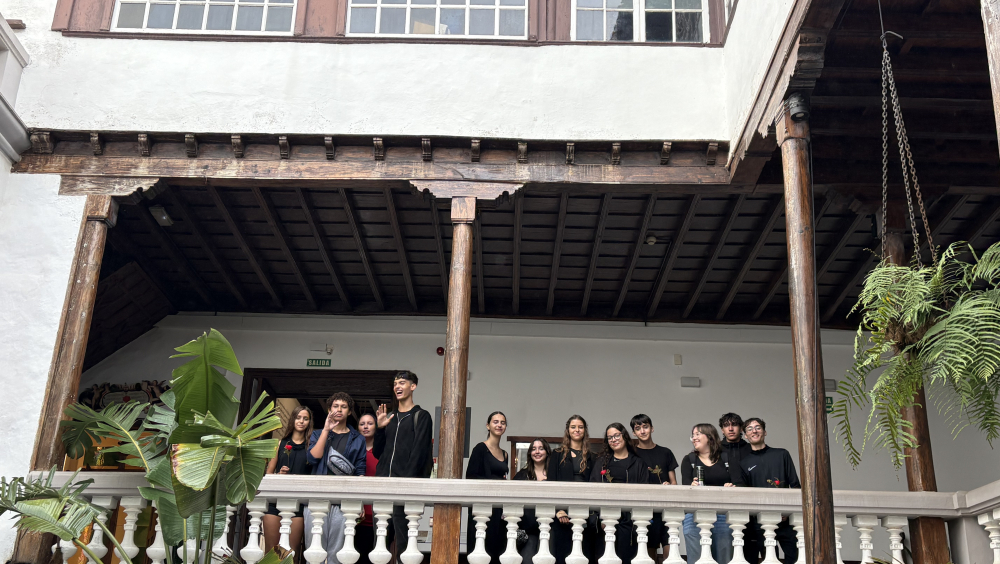
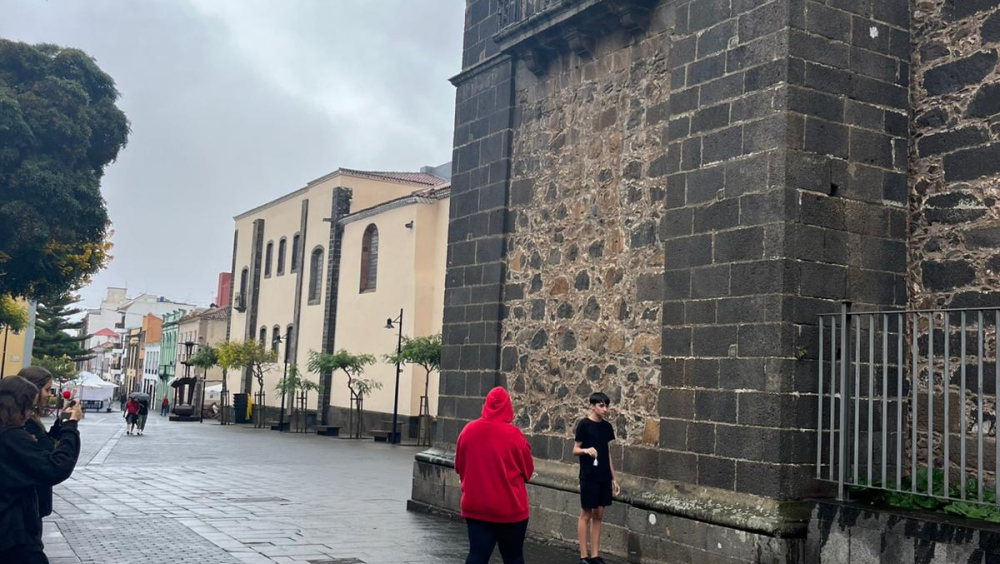
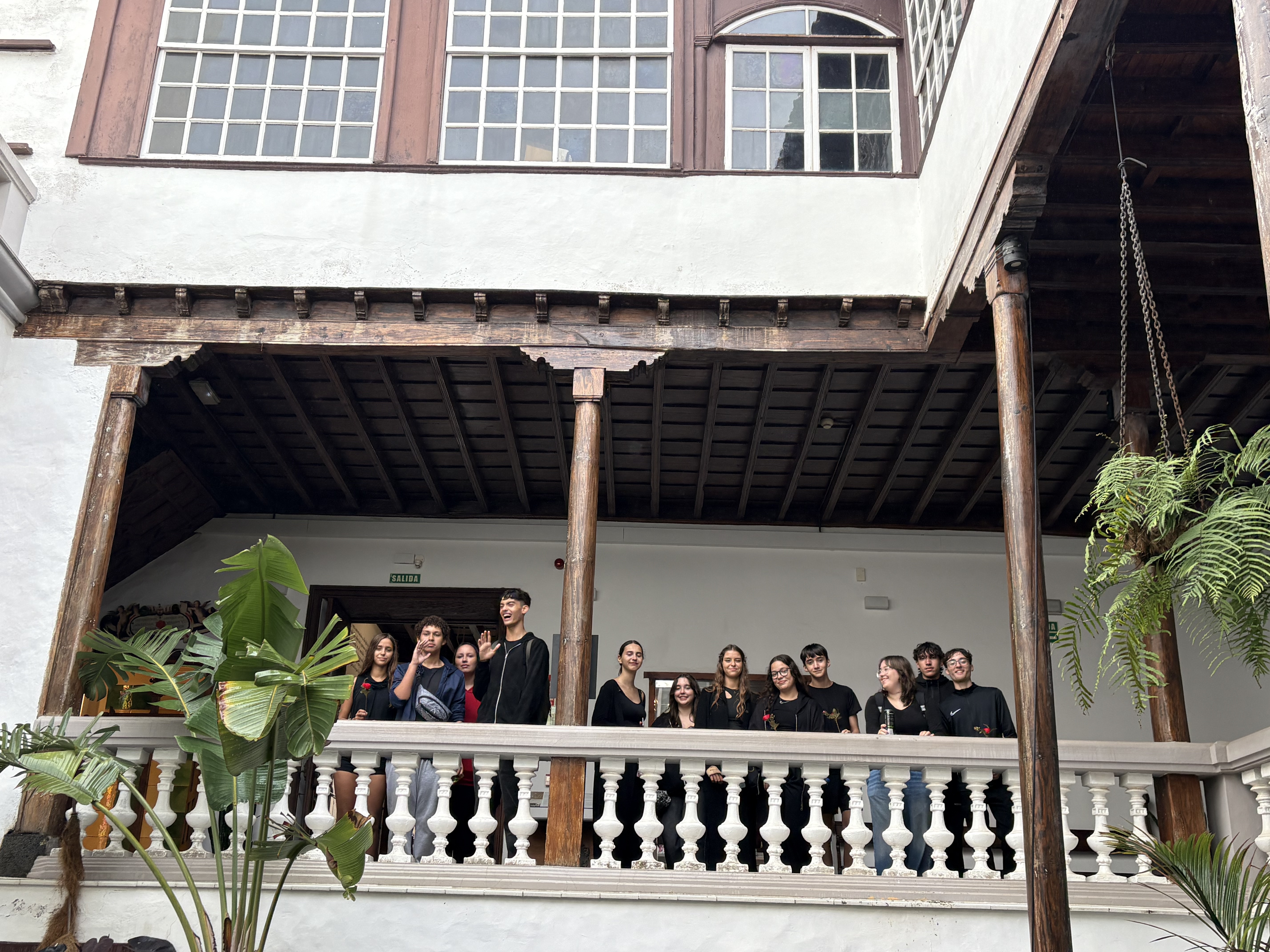
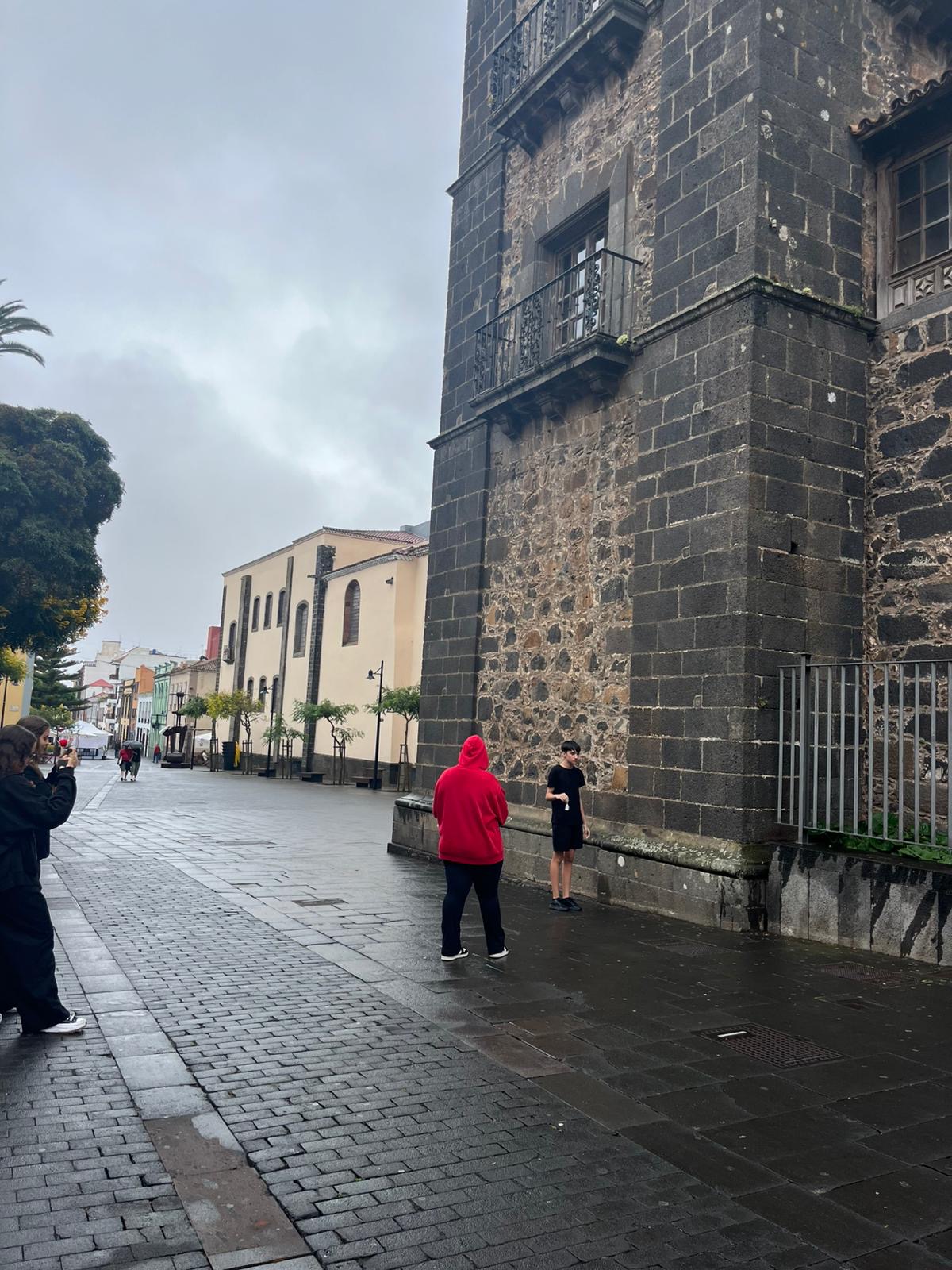
Para representar el patrimonio arquitectónico, elegimos lugares emblemáticos de La Laguna como la Catedral, la Torre de la Concepción y las calles antiguas. Estos escenarios simbolizan siglos de historia y el paso del tiempo, aportando al vídeo un ambiente serio y reflexivo. Además, su estilo colonial y religioso demuestra cómo Canarias siempre ha estado conectada con Europa y cómo nuestras raíces se nutren de la mezcla de distintas culturas, siendo la base física de nuestra identidad.
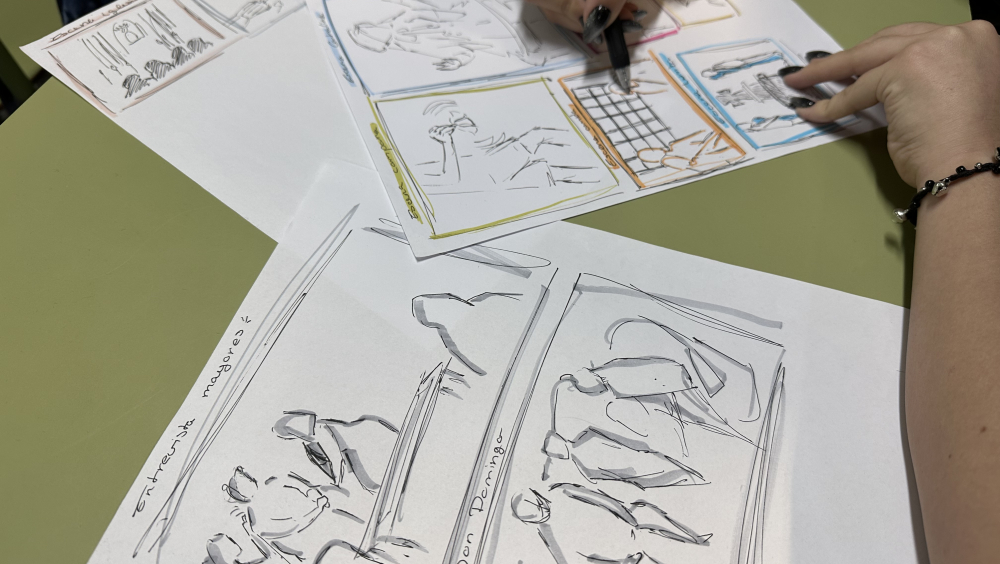
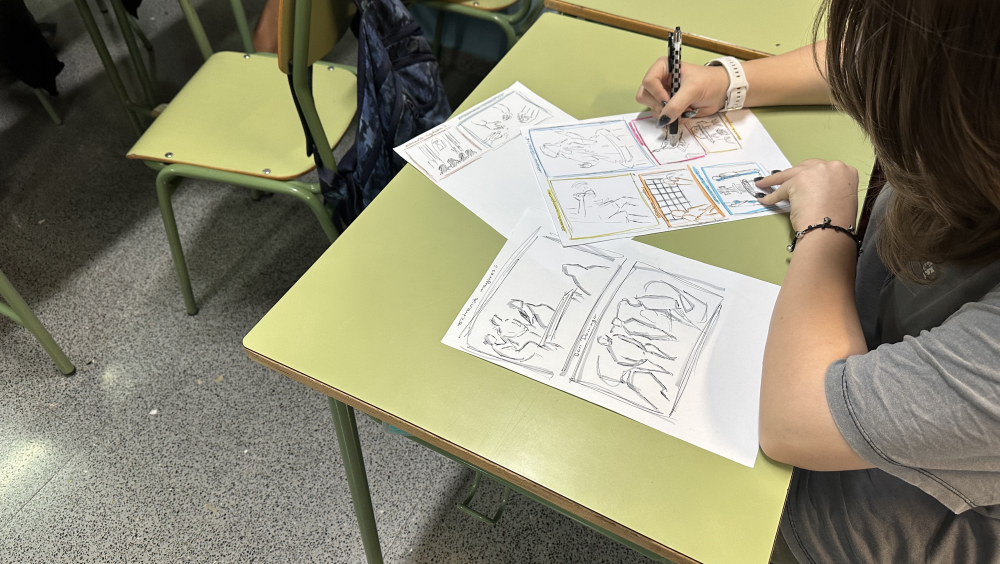
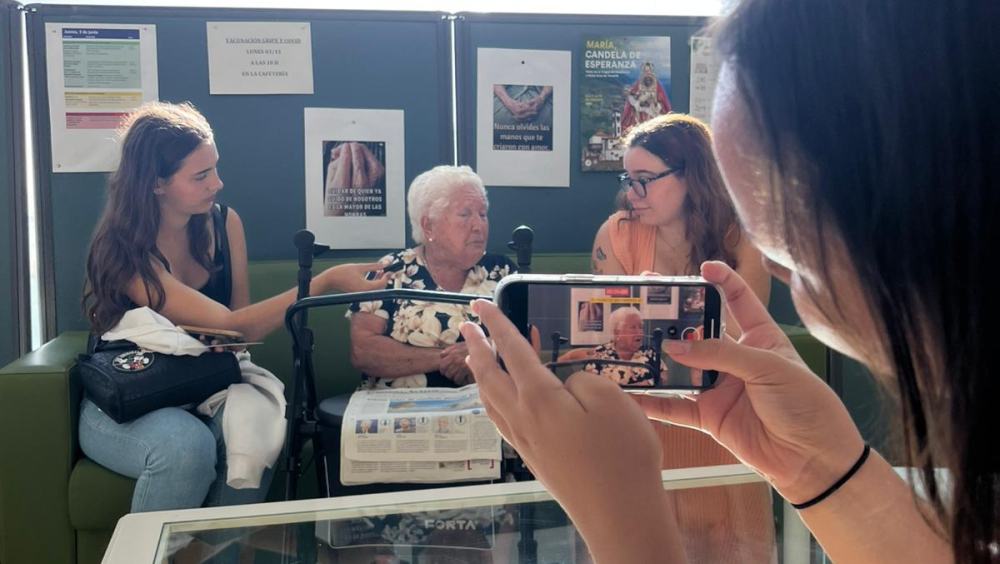
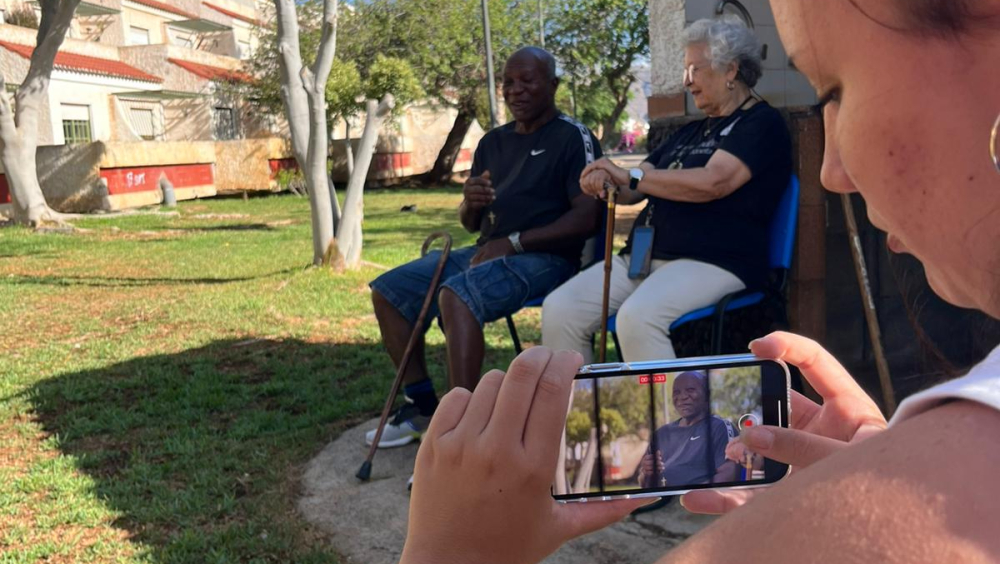
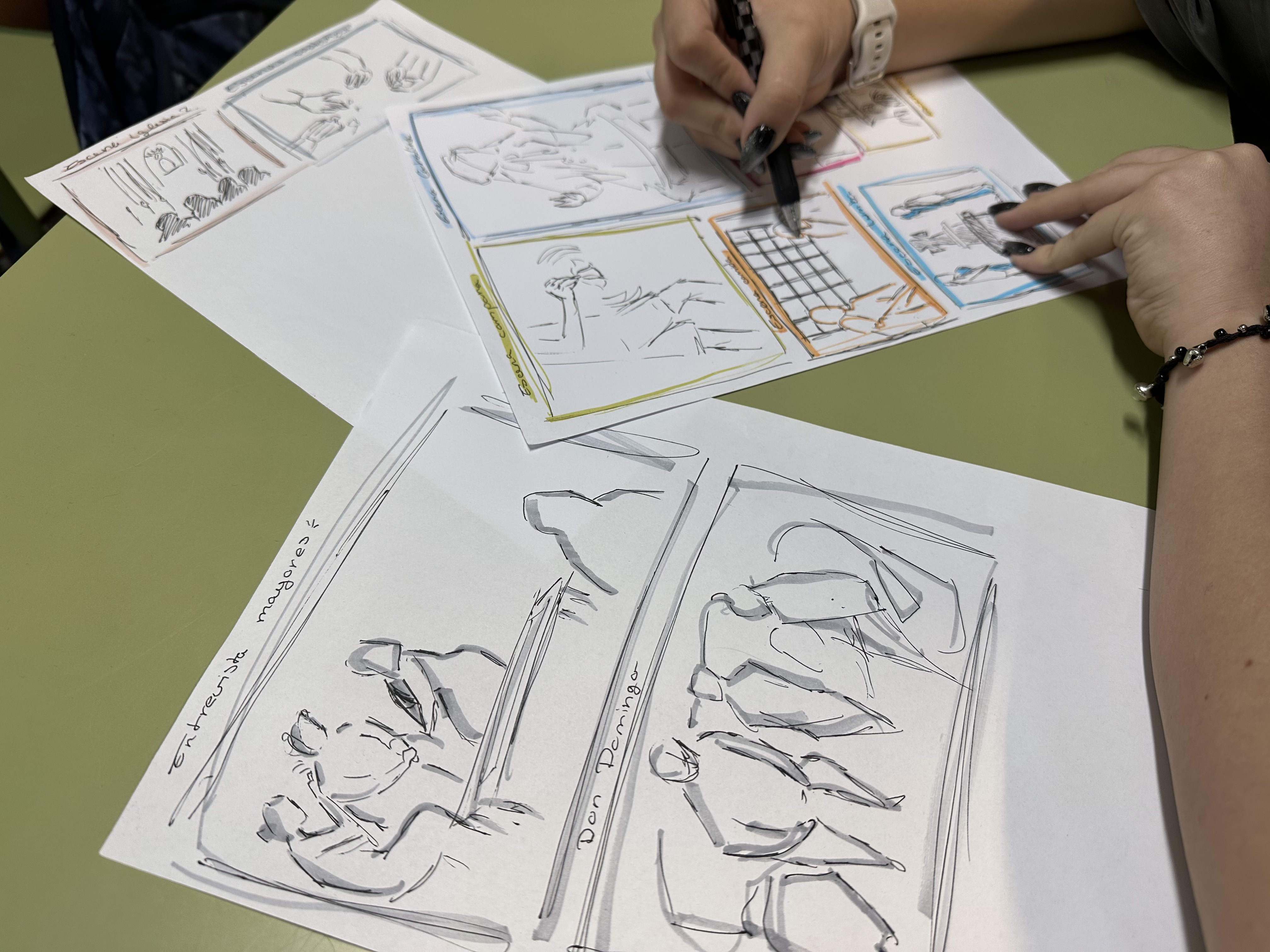
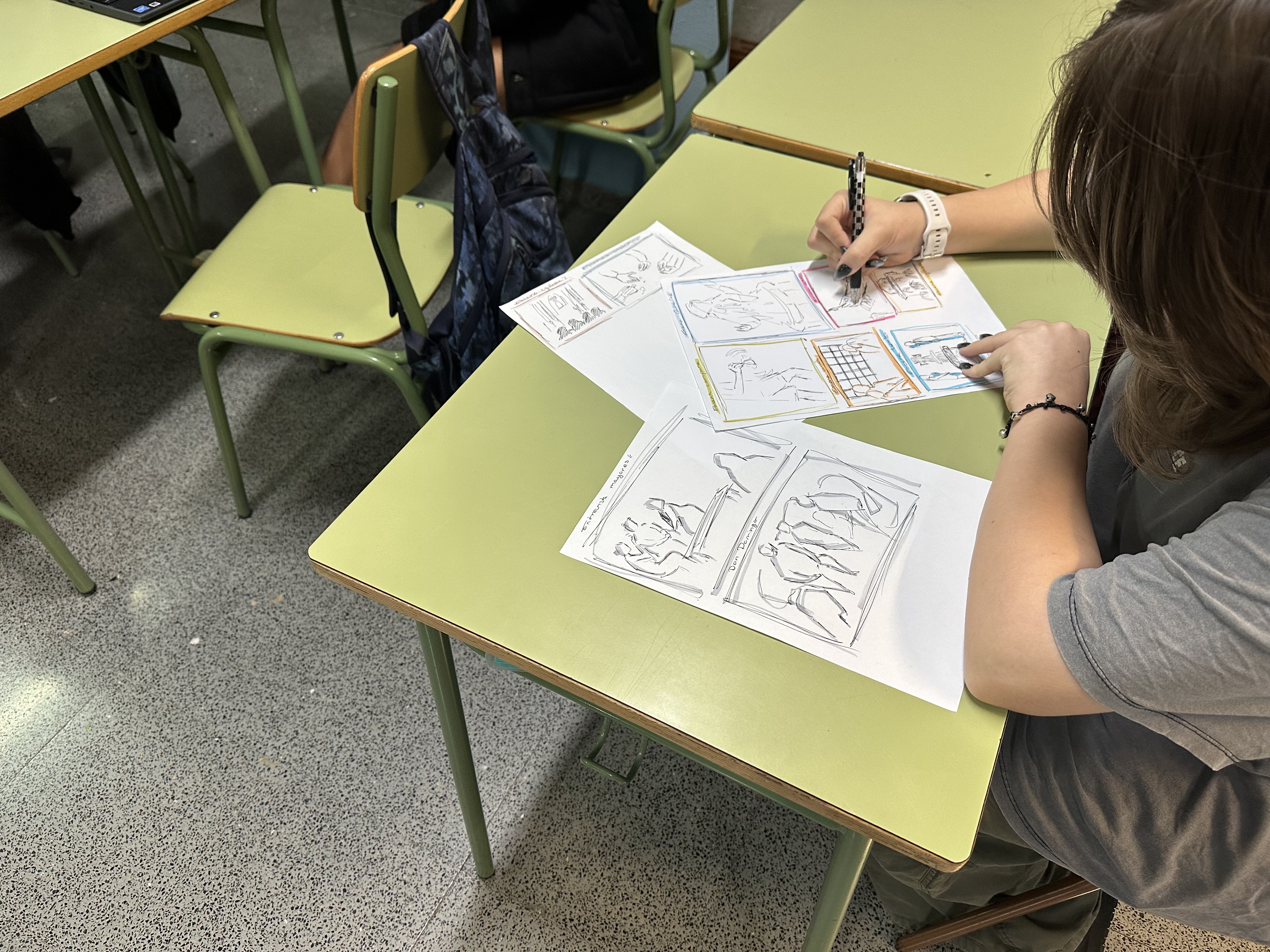
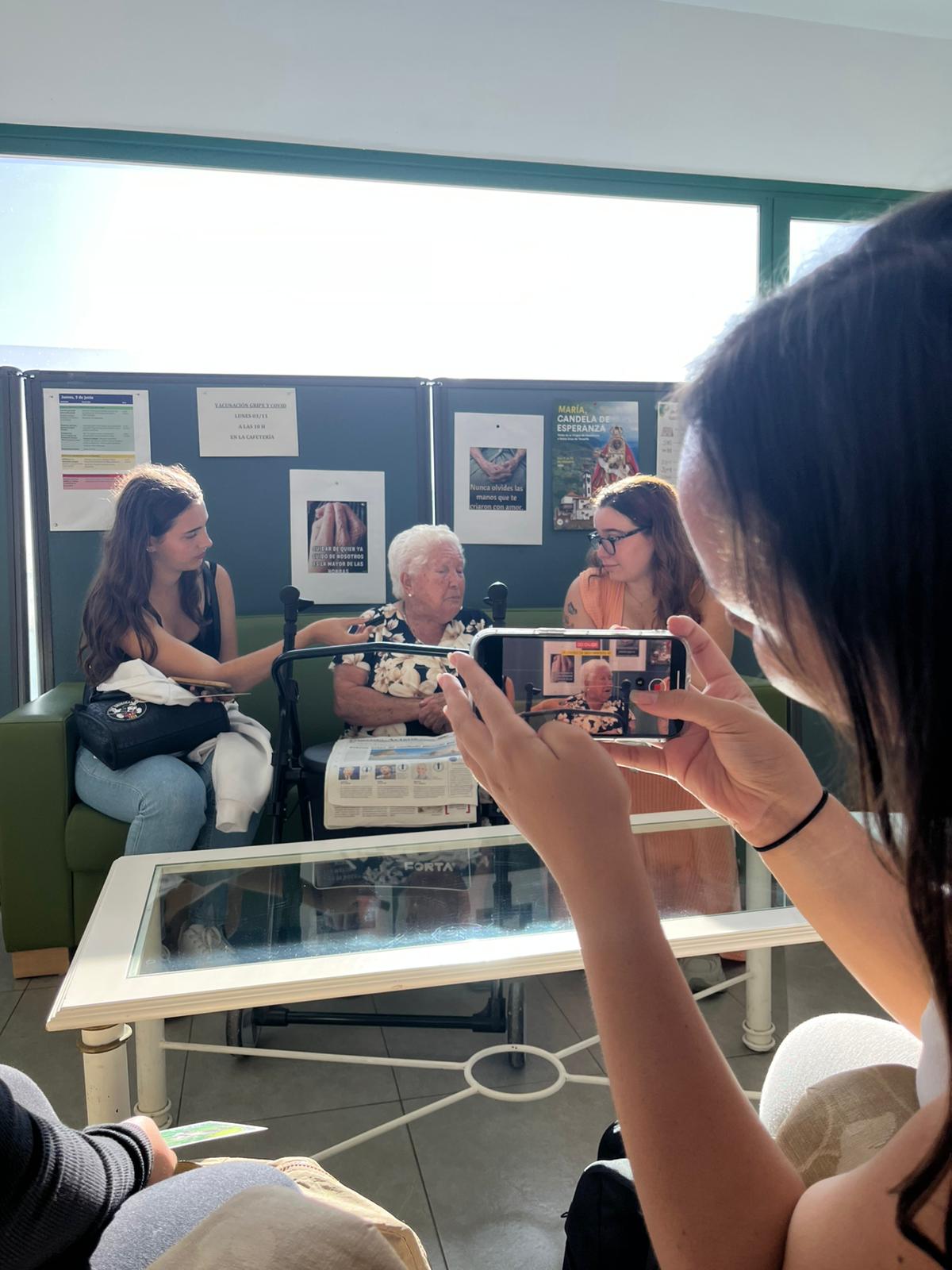
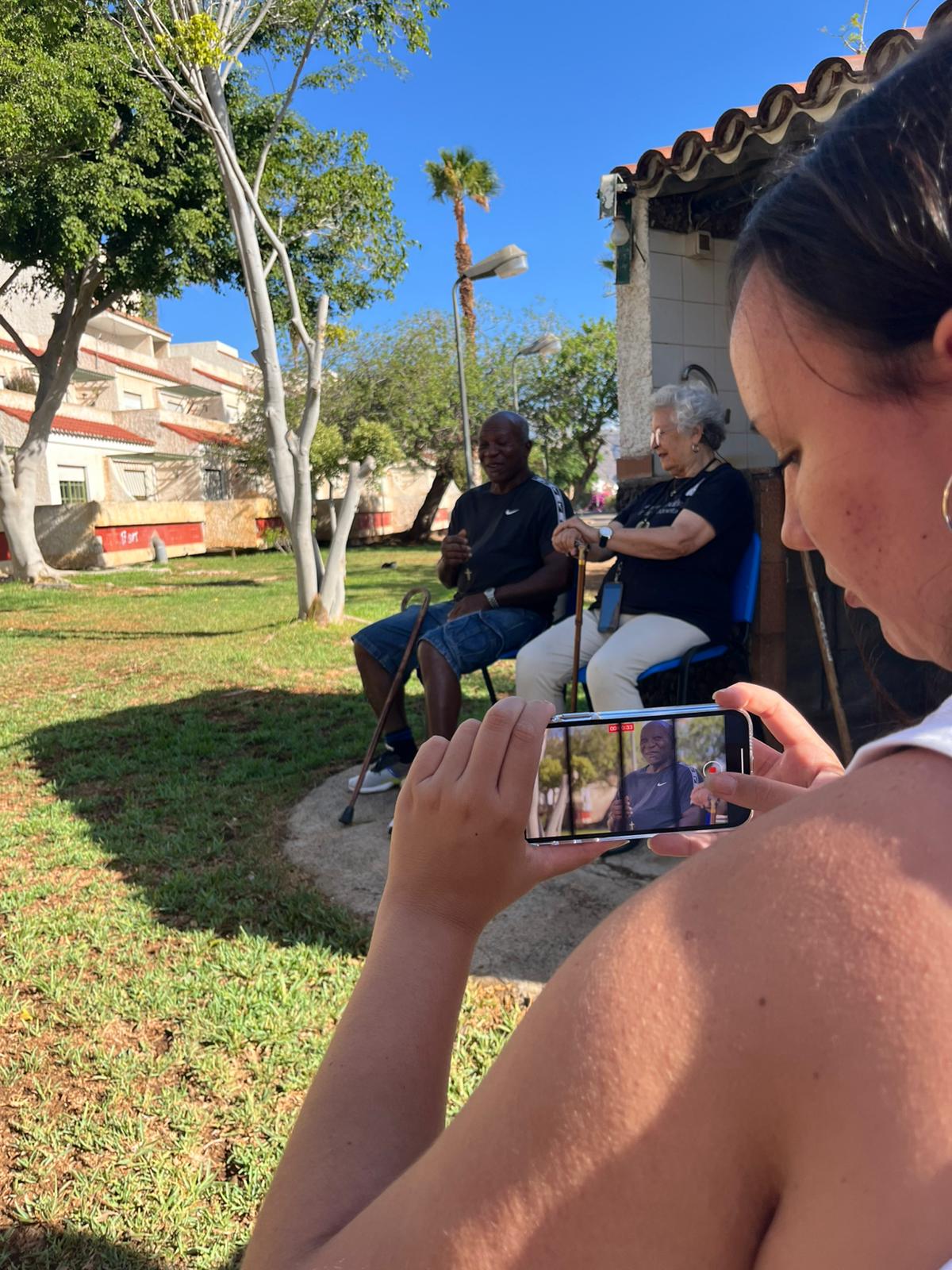
El patrimonio inmaterial se centra en el Día de Finados. Esta sección, deliberadamente íntima y emotiva, evita grandes eventos para enfocarse en gestos simples y profundos de la tradición familiar, como encender una vela, preparar comida típica o guardar silencio en recuerdo. Finados es una tradición que preserva la memoria de nuestros mayores con cariño y respeto. Para capturar esta autenticidad, realizamos un trabajo de investigación que incluyó entrevistas a nuestros abuelos y personas mayores de un centro, un día muy emotivo. Además, en la preproducción, una compañera plasmó el concepto visual en un storytelling dibujado.
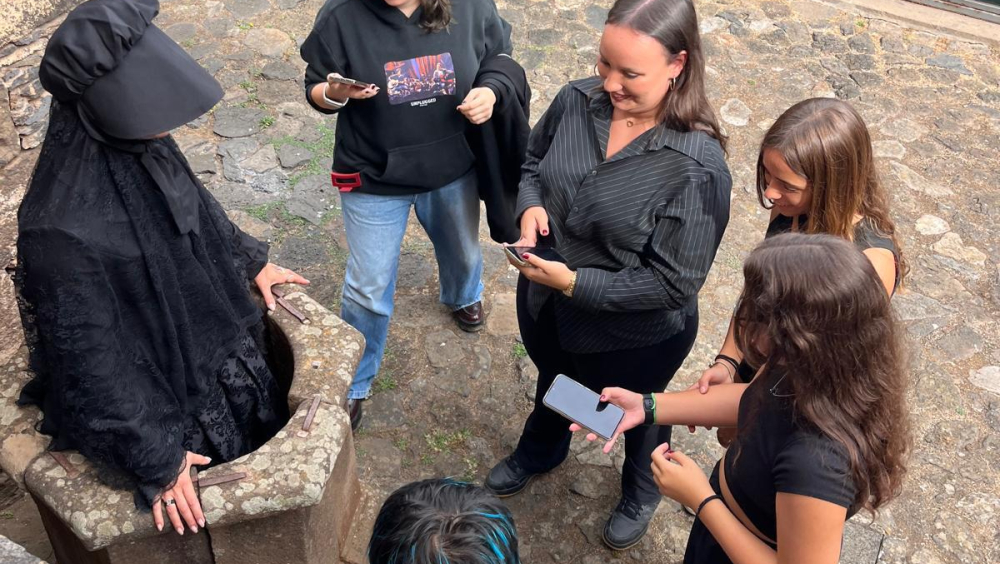
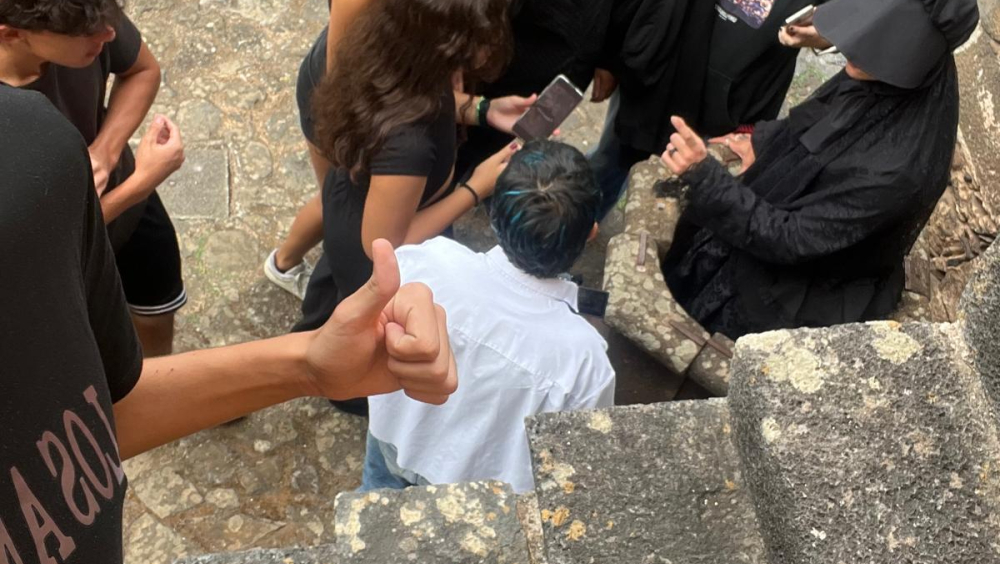
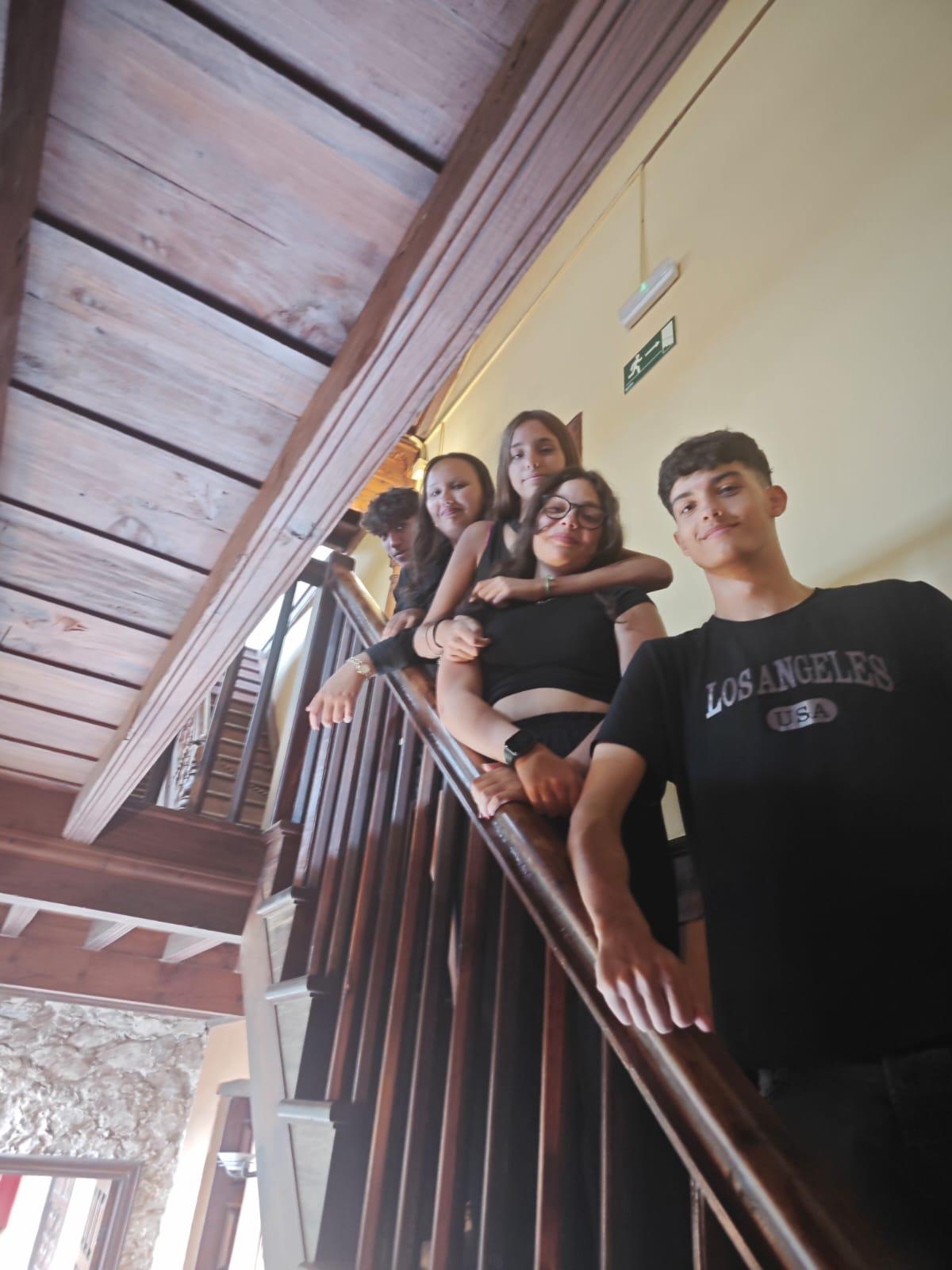
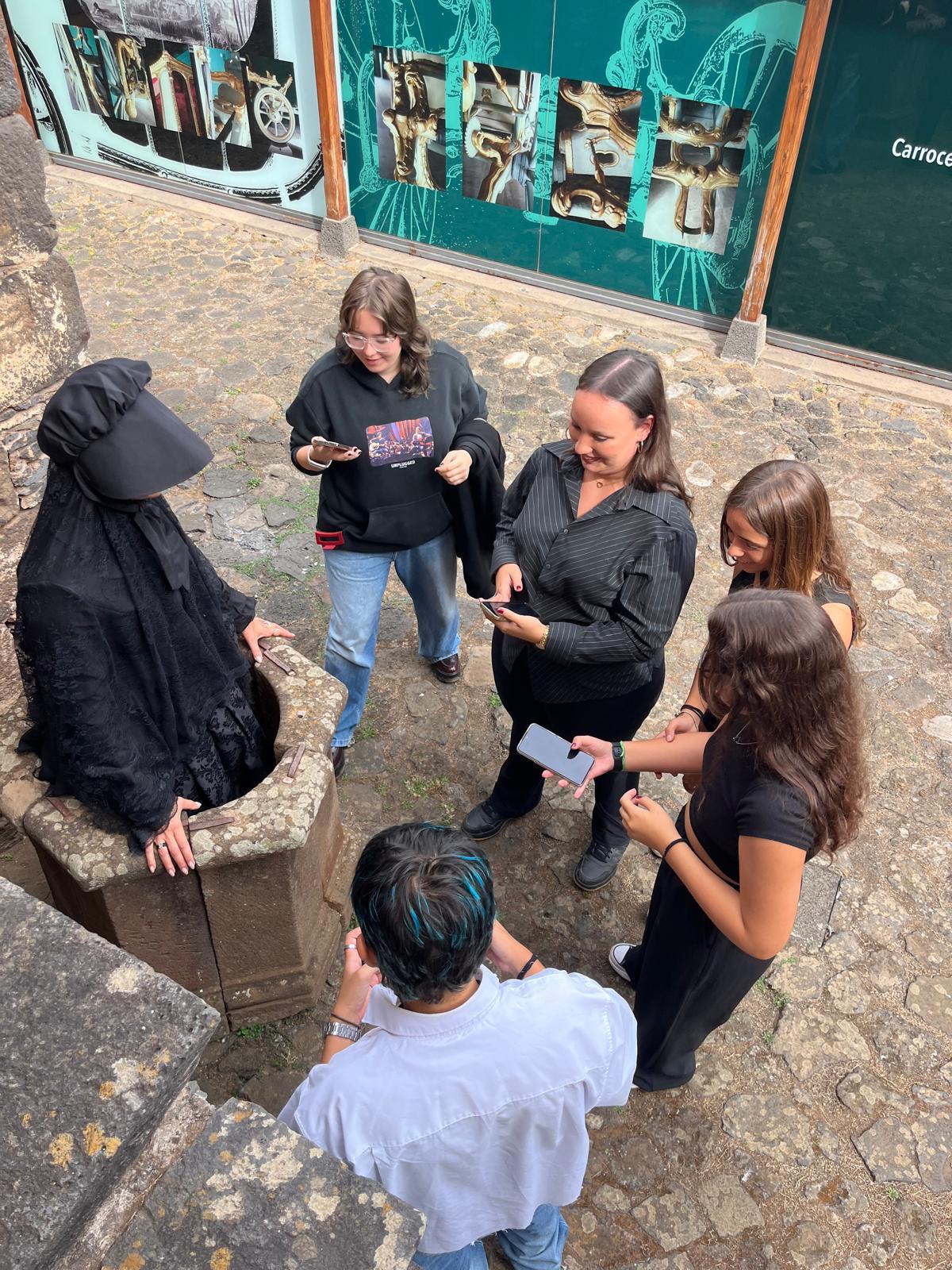
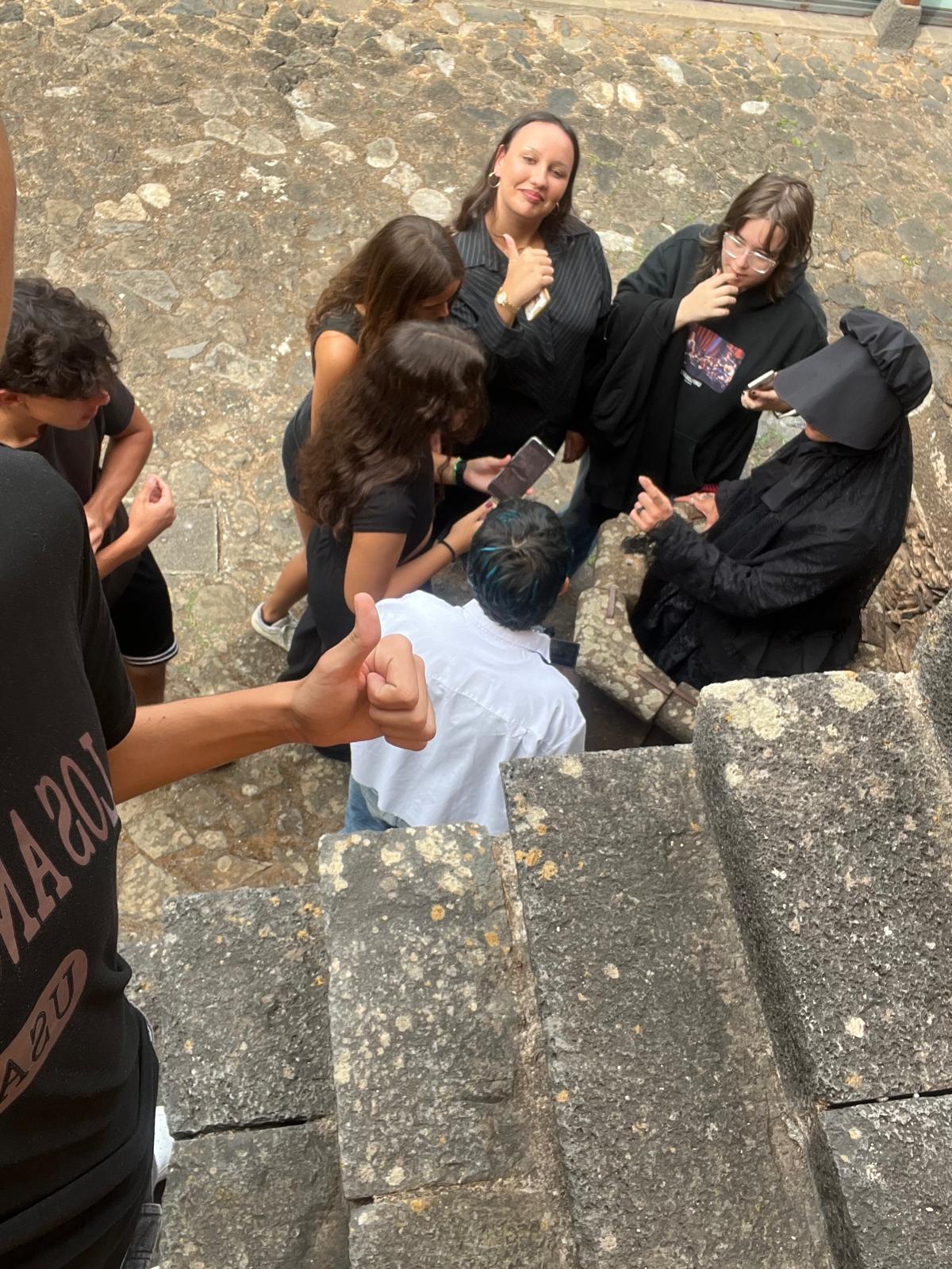
El tercer elemento es la leyenda de Catalina, una figura importante que representa la parte de la cultura que no se puede ver ni tocar: la imaginación popular. Su presencia añade un aire misterioso y subraya que en Canarias las historias son parte de nuestra identidad. Al incluirla, quisimos mostrar que el patrimonio también reside en las leyendas. Las escenas de Catalina se rodaron en la Casa Lercaro (Museo de Historia y Antropología), donde contamos con la ayuda de alumnos de bachillerato artístico que nos prestaron una máquina de humo para intensificar el misterio. El rodaje nos dejó anécdotas divertidas, como cuando la profesora tuvo dificultades para salir del pozo al recrear la escena.
A nivel técnico, decidimos eliminar casi por completo los diálogos, haciendo del sonido el elemento más importante. Aunque inicialmente queríamos un estilo de cine semimudo basado solo en los sonidos, finalmente añadimos algunas frases en voz en off por miedo a que el mensaje no se entendiera. Aun así, los planos lentos y la ambientación sonora siguen siendo cruciales: las campanas transmiten solemnidad y la lluvia evoca una inquietud conectada con lo antiguo. Buscamos despertar los sentidos del espectador y lograr que comprendiera la importancia de la tradición sin necesidad de explicaciones directas. El vídeo fue la herramienta perfecta para transmitir de forma emocional y visual esta rica amalgama, haciendo que la memoria colectiva se sintiera viva.
La impronta del Viejo Continente se manifiesta de forma ineludible en cada capa de nuestro proyecto, un aspecto clave para subrayar la identidad compartida en el marco del patrimonio europeo. La arquitectura lagunera que seleccionamos (la Catedral, la Torre de la Concepción) es de claro estilo colonial religioso y civil, con influencias directas que no solo provienen de España, sino también de Portugal y otros países europeos que establecieron rutas comerciales y culturales con las islas. De igual manera, el Día de Finados se origina en la tradición cristiana europea de la conmemoración de Todos los Santos y Fieles Difuntos. En cuanto a la leyenda, la figura de Catalina es clave para esta conexión: ella era la hija de la familia Lercaro, un linaje de origen genovés (italianizante) que se había establecido en Tenerife, lo que demuestra cómo incluso las historias más fantásticas están arraigadas en la movilidad y el asentamiento de familias procedentes de toda Europa. Todo esto evidencia que la cultura canaria, aunque única, es el resultado de una rica sedimentación de influencias europeas que se han transformado en patrimonio propio, reforzando nuestra pertenencia al legado cultural del continente.
Para terminar, nuestro proyecto nace del deseo de proteger todas estas tradiciones, historias y monumentos. Hoy en día, con la llegada de tantas celebraciones nuevas, muchas costumbres canarias corren el riesgo de perderse. Preservar estas tradiciones es un acto de memoria que nos recuerda quiénes somos y de dónde venimos. Nuestro vídeo intenta ser un acto de recuerdo, asegurándonos de que la historia y la cultura canaria sigan vivas y se sigan compartiendo en el futuro.
Texto en inglés:
Our audiovisual project was conceived as an exploration of Canarian culture, demonstrating that its architectural, intangible, and legendary heritage are inseparable threads of the same story. The way we blended these elements was key for the viewer to feel that they coexist and influence our worldview. To emphasize how deeply rooted the Finados tradition is and its generational transmission, we decided to create a short film in an old-fashioned style. This aged aesthetic not only highlights the tradition's antiquity but also evokes a profound nostalgia for the past.
To represent the architectural heritage, we chose emblematic places in La Laguna such as the Cathedral, the Torre de la Concepción, and the old streets. These settings symbolize centuries of history and the passage of time, lending a serious and reflective atmosphere to the video. Furthermore, their colonial and religious style demonstrates how the Canary Islands have always been connected to Europe and how our roots are nourished by the mix of different cultures, forming the physical basis of our identity.
The intangible heritage focuses on the Día de Finados (Day of the Dead). This section, deliberately intimate and emotional, avoids large events to focus on simple and profound gestures of family tradition, such as lighting a candle, preparing typical food, or observing silence in remembrance. Finados is a tradition that preserves the memory of our elders with affection and respect. To capture this authenticity, we carried out extensive research, which included interviews with our grandparents and elderly people from a community center—a very emotional day. In addition, during pre-production, a colleague visually captured the concept in a drawn storytelling format.
The third element is the legend of Catalina, an important figure representing the part of the culture that cannot be seen or touched: popular imagination. Her presence adds a mysterious aura and emphasizes that in the Canary Islands, stories are part of our identity. By including her, we aimed to show that heritage also resides in legends. Catalina’s scenes were filmed at the Casa Lercaro (Museum of History and Anthropology), where we had the help of artistic baccalaureate students who lent us a smoke machine to intensify the mystery. The filming left us with amusing anecdotes, such as when the teacher had difficulty getting out of the well while recreating the scene.
On a technical level, we decided to eliminate dialogues almost entirely, making sound the most important element. Although we initially wanted a semi-silent film style based solely on sounds, we eventually added a few phrases in voice-over for fear that the message might not be fully understood. Nevertheless, the slow shots and the sound ambiance remain crucial: bells convey solemnity, and rain evokes an unease connected to ancient times. We sought to awaken the viewer's senses and help them understand the importance of the tradition without the need for direct explanations. The video was the perfect tool to emotionally and visually convey this rich amalgam, making the collective memory feel alive.
The imprint of the Old Continent is undeniably present in every layer of our project, a key aspect to highlight the shared identity within the framework of European heritage. The La Laguna architecture we selected (the Cathedral, the Torre de la Concepción) features a distinct colonial religious and civil style, with direct influences not only from Spain but also from Portugal and other European countries that established commercial and cultural routes with the islands. Similarly, the Día de Finados originates in the European Christian tradition of commemorating All Saints' and All Souls' Day. Regarding the legend, the figure of Catalina is key to this connection: she was the daughter of the Lercaro family, a lineage of Genoese (Italianate) origin that had settled in Tenerife, which demonstrates how even the most fantastic stories are rooted in the mobility and settlement of families from across Europe. All this evidence shows that Canarian culture, while unique, is the result of a rich sedimentation of European influences that have transformed into our own heritage, strengthening our belonging to the continent's cultural legacy.
Finally, our project is born from the desire to protect all these traditions, stories, and monuments. Today, with the arrival of so many new celebrations, many Canarian customs run the risk of being lost. Preserving these traditions is an act of memory that reminds us who we are and where we come from. Our video attempts to be an act of remembrance, ensuring that Canarian history and culture remain alive and continue to be shared in the future.
Video: https://youtu.be/tgGNgHh-uDs