
Ventosa's Heritage
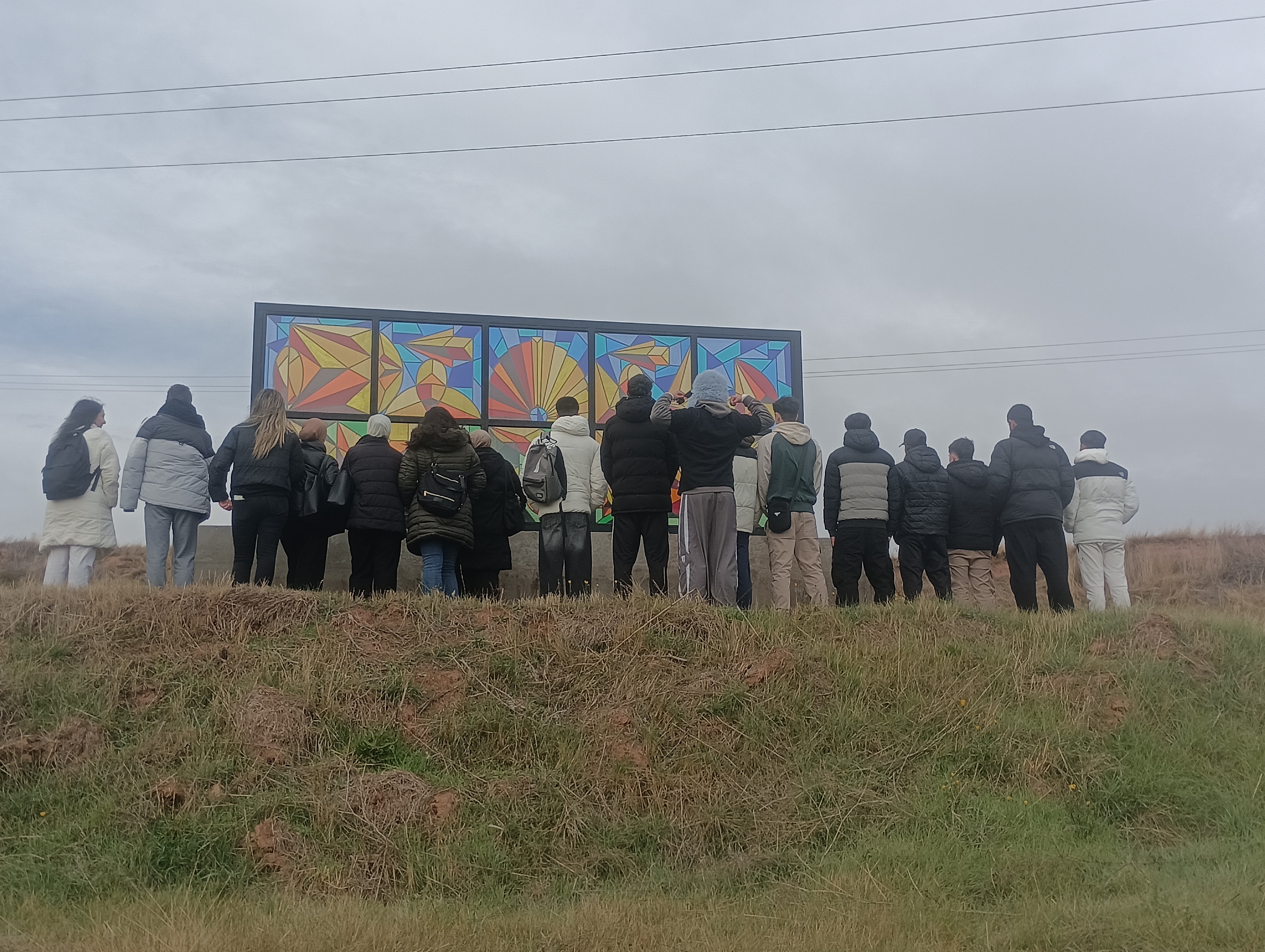
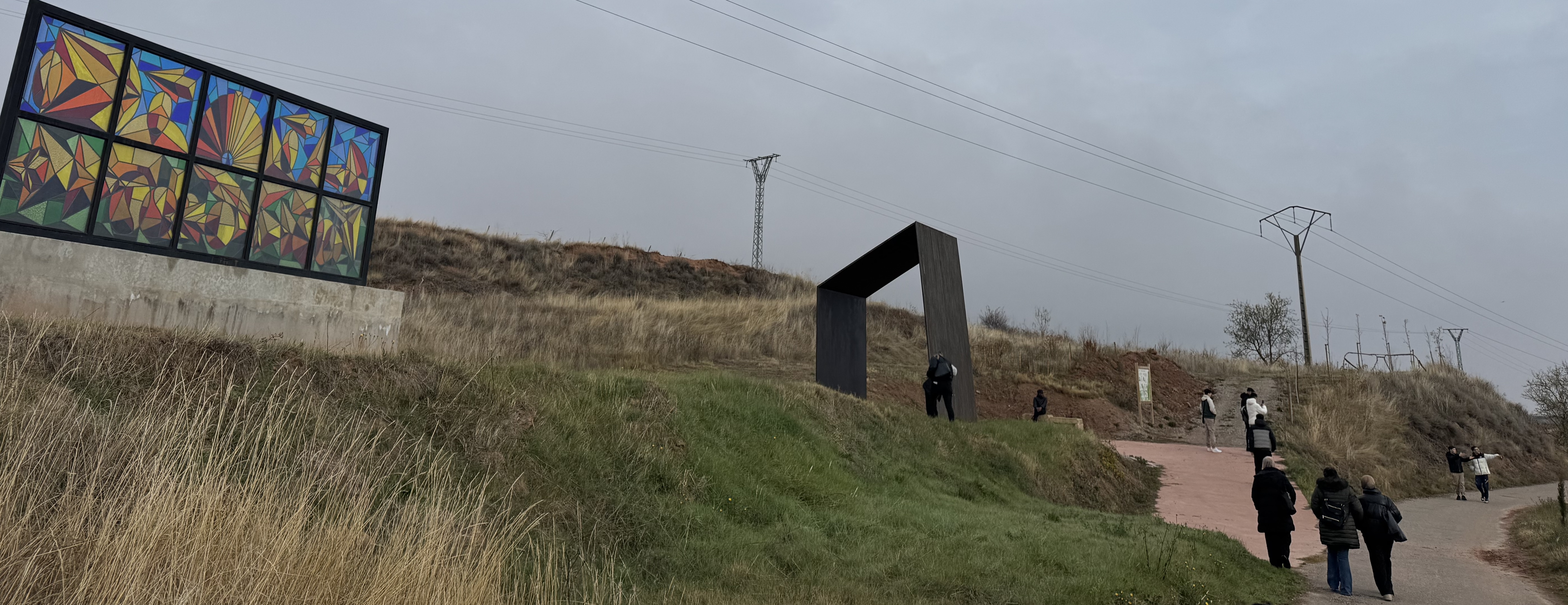
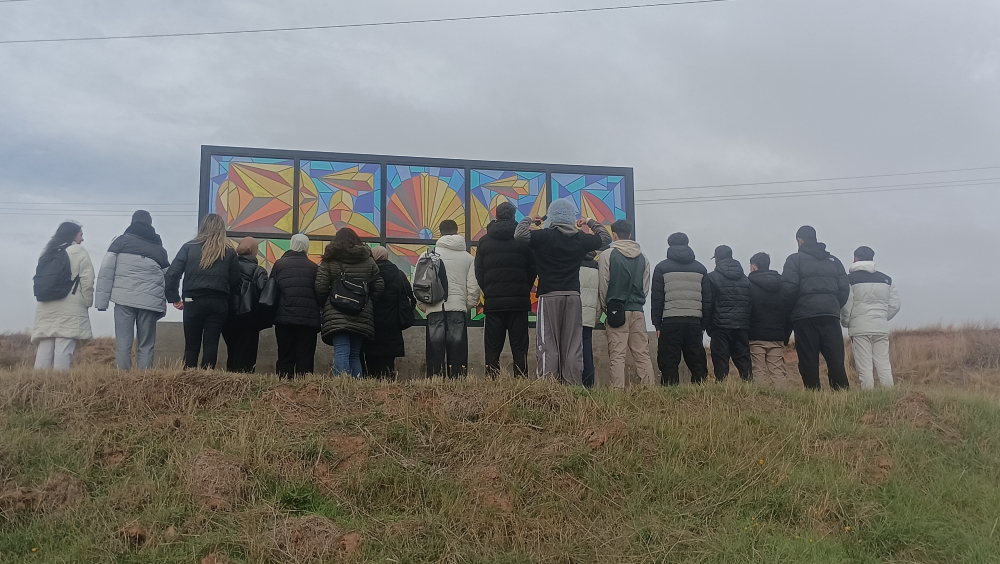
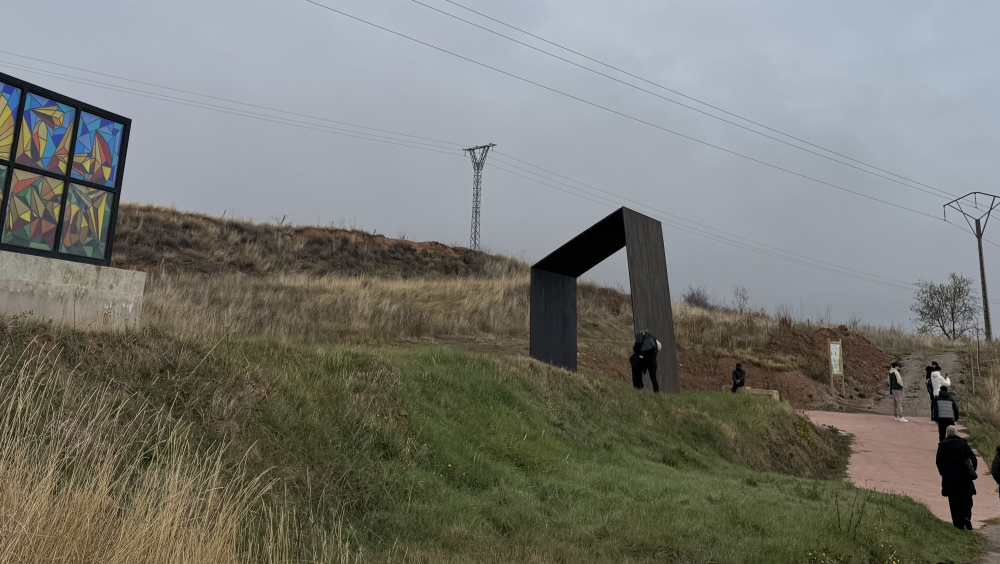
In small towns there is also heritage that deserves to be known and shared. Specifically, in the small municipality of Ventosa in La Rioja, with fewer than 200 inhabitants, we find buildings and built ensembles whose cultural value is recognized by society, such as monuments (the Church of San Saturnino and its altarpiece dedicated to the miracles of the Virgen Blanca), historic ensembles (such as the Barrio de las Bodegas of Santa Eulalia), and other examples of popular architecture like the former pilgrims’ hospital, as well as modern architectural and artistic interventions such as the open-air museum 1 Kilómetro de Arte, La Danza. Not to mention, of course, the passage through the municipality of one of La Rioja’s two UNESCO World Heritage sites, the Camino de Santiago. That is what a vocational student group has just discovered.
¿Cómo hemos trabajado y qué hemos hecho?
Comenzamos viendo los videos de los ganadores del año pasado del concurso Jóvenes Europeos Artífices de Patrimonio, lo que nos sirvió como inspiración para nuestra propia creación.
Para grabar el video, escribimos primero un guion técnico con los planos y tomas que queríamos y el texto que iba a acompañar a las imágenes. Días más tarde organizamos una excursión a Ventosa, a 16 kilómetros de nuestro instituto, donde recorrimos el pueblo capturando con nuestros móviles aquellos lugares más emblemáticos del patrimonio arquitectónico del municipio, como la Iglesia de San Saturnino, el Camino de Santiago, el antiguo hospital de peregrinos, entre otros. Cada rincón de Ventosa tenía algo especial que queríamos destacar.
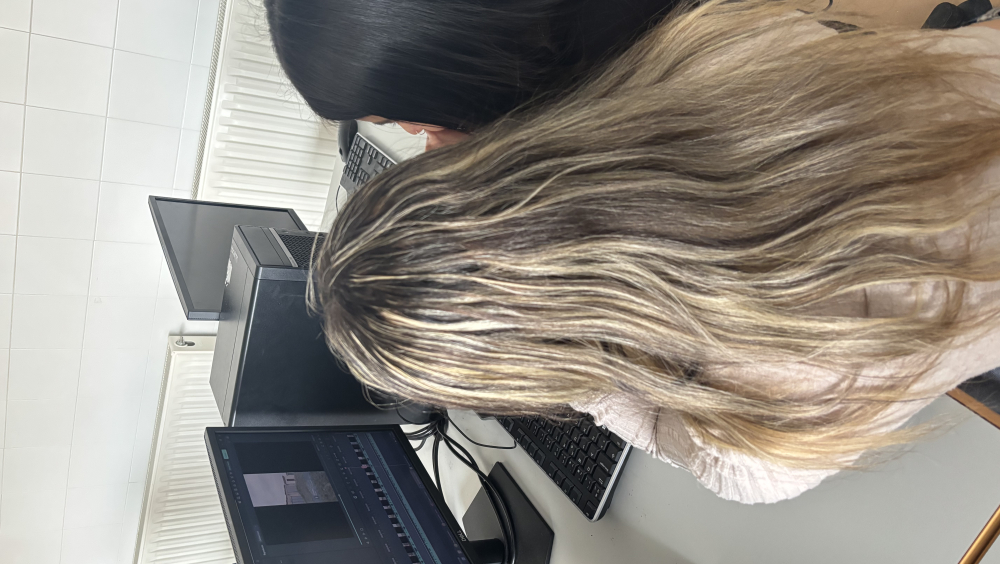
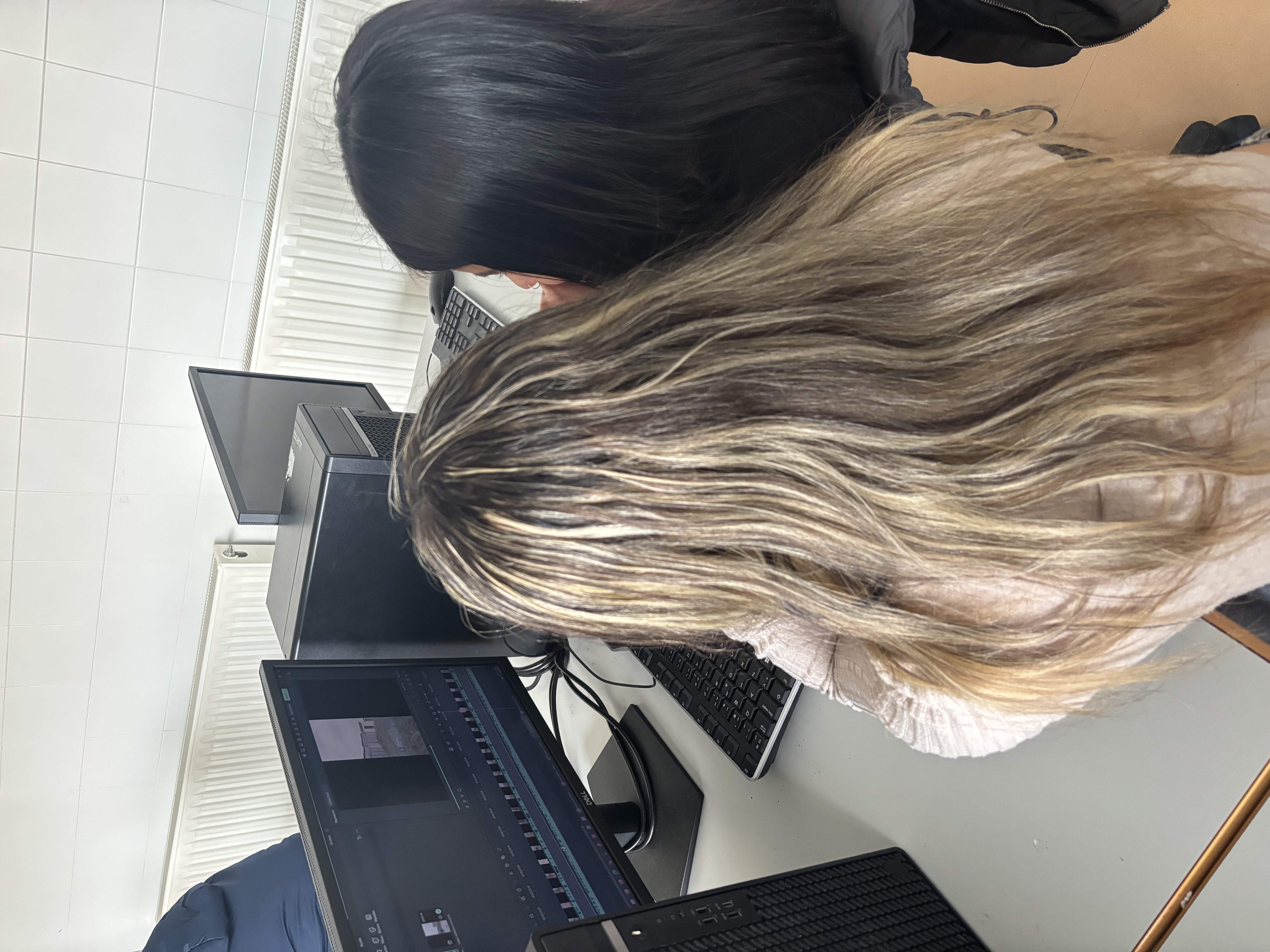
De regreso al instituto, nos centramos en la parte de grabación de la narración siguiendo el guion que habíamos preparado previamente. Nos dirigimos a la sala de radio de Proyecto de Innovación Educativa Almazuela, donde nos turnamos para grabar el audio, haciendo breves pausas entre cada toma. Mientras el resto editábamos las imágenes del video y verificamos que todo encajara perfectamente.
Seleccionamos cuidadosamente las fotos y videos que queríamos incluir en el producto final y elegimos una música de fondo, todo ello en el módulo de Tratamiento Informático de la Información que estamos cursando. Para la edición, utilizamos el software Filmora, donde organizamos las secuencias de video en el orden adecuado, guiados por el audio, hasta dar forma a la versión final del proyecto.
How did we work and what did we do?
We began by watching the videos of last year’s winners of the Young European Heritage Makers competition, which served as inspiration for our own creation.
To record the video, we first wrote a technical script with the shots and takes we wanted, as well as the text that would accompany the images. A few days later, we organized a trip to Ventosa, 16 kilometers from our school, where we toured the village capturing, with our mobile phones, the most emblematic sites of the municipality’s architectural heritage, such as the Church of San Saturnino, the Camino de Santiago, the old pilgrims’ hospital, among others. Every corner of Ventosa had something special that we wanted to highlight.
Upon returning to school, we focused on recording the narration, following the script we had previously prepared. We went to the radio studio of the Almazuela Educational Innovation Project, where we took turns recording the audio, making short pauses between each take. Meanwhile, the rest of us edited the video images and checked that everything fit together perfectly.
We carefully selected the photos and videos we wanted to include in the final product and chose background music, all within the Information Technology Processing module that we are currently studying. For the editing, we used the Filmora software, where we organized the video sequences in the appropriate order, guided by the audio, until shaping the final version of the project.