

Shchedryk: A Ukrainian Song Across Europe
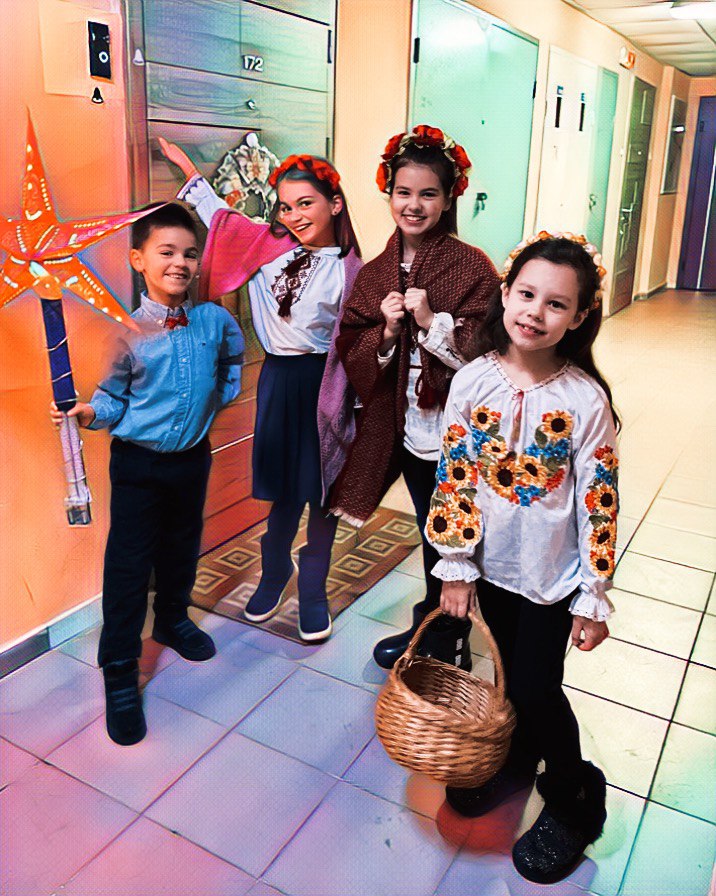
When winter is coming, I always think of the song Shchedryk. I have known it since childhood. We sang it at home before the holidays, and on January 13 my friend Masha and I went out and sang Shchedryk together. Now I live in Vienna, but this melody still brings me back to my family and to Ukraine. For me, heritage is something that stays with me, even when my place of living changes.
Shchedryk is a traditional Ukrainian song connected with winter and the expectation of a new year. In my family, it always meant the beginning of the holidays and time spent together. When I hear it now, I remember home and the people I grew up with. Even while living in another country, I still feel this connection.
The musical arrangement of Shchedryk was created by the Ukrainian composer Mykola Leontovych. His choral version is built on a clear rhythm and a repeating melody. This style is close to the European choral tradition, which is why the song is easy to perform and understand in different countries, even without knowing the Ukrainian language.
While preparing for this competition, we decided to share Shchedryk with others. I live in Vienna, and my friend Masha lives in London. We both introduced this song to our classmates. For many of them, it was their first meeting with a Ukrainian winter tradition. Some heard the melody for the first time, while others were surprised to realize that they already knew it under a different name.
In my class in Vienna, we listened to Shchedryk and talked about where it comes from. At the same time, Masha was doing the same in London — in another country and in another language. It was important for me to know that, at the same moment, a Ukrainian song was being heard in different European cities by people who had never known about it before.
Since both Masha and I are interested in graphic design, we chose a visual format for our project. It was important for us to tell this story not only with words, but also through graphics that feel natural to us.
Living in Austria has changed how I listen to music around me. There are many choirs, concerts, and winter performances here. When I heard Shchedryk next to Austrian Christmas songs, it sounded natural. At that moment, I understood that different musical traditions can exist next to each other and feel comfortable together.
After the First World War, Ukrainian music began to travel across Europe. Ukrainian choirs performed in different countries, and Shchedryk became known outside Ukraine. Later, the melody became famous worldwide as “Carol of the Bells”, but its origin remained Ukrainian. For me, this is an example of how a local tradition becomes part of a shared European cultural space.
Today, Shchedryk is performed in churches, concert halls, and winter events across Europe, including Austria. What matters to me is that this song is also present in my everyday life — at school, among friends, and in conversations with people my age in other countries.
The most interesting part of my local heritage is that Ukrainian culture is present where I live now. In Vienna, I celebrate winter holidays in a different environment, but with familiar sounds. Together with Masha in London, I can see how one song connects different cities and people.
Through Shchedryk, I understand that European heritage is made of many personal stories. My story started in Ukraine and continues in Vienna