

Trypillia culture
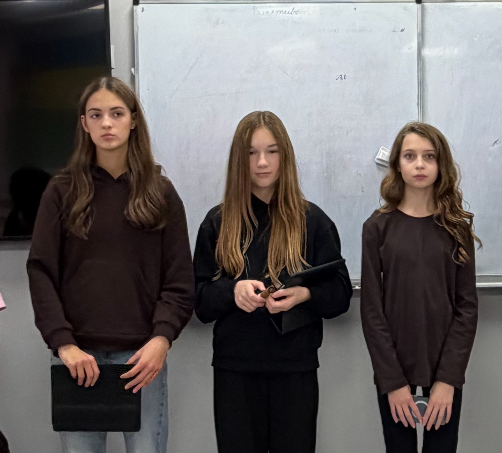

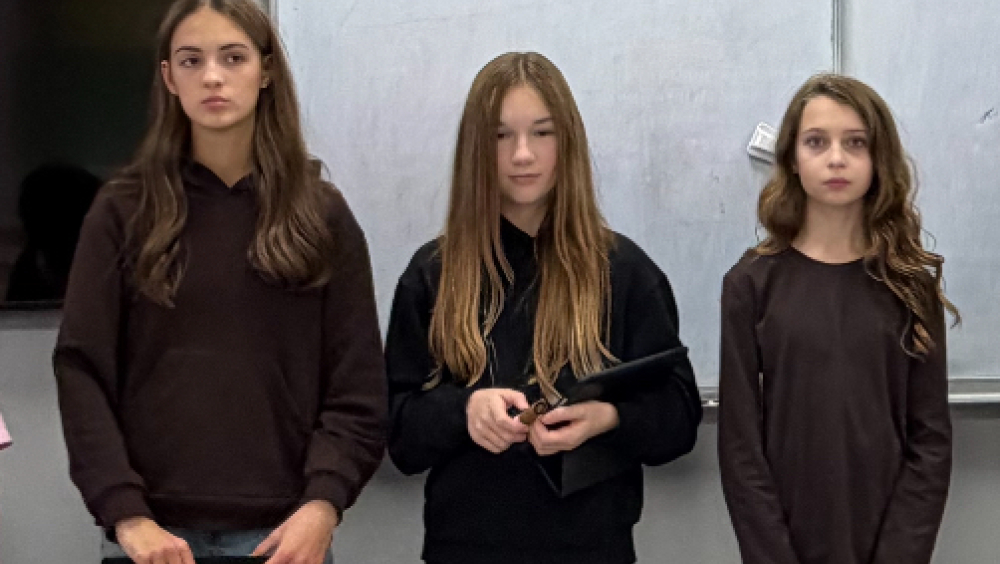
We are students at a Kyiv school, inspired by our teachers and motivated by a strong interest in Trypillian
culture. In this project, we focused on decoding Trypillian symbols and transforming this knowledge into
contemporary design. Our goal was to create our own merchandise inspired by the visual language of this
ancient culture to popularise it and draw attention to the depth of the Ukrainian worldview.
During the war with Russia, we believe it is essential to study, preserve, and develop our cultural heritage as
a source of resilience and identity. It is also important to note that Russian expansion historically hindered
thorough research into the continuity between Trypillia and later Ukrainian cultural traditions. We see
Ukrainian culture as one of the gems of Europe’s ancient civilisations, so when we speak about our heritage,
we talk not only about ourselves, but about a shared European cultural legacy.
Ukraine’s history is rich and diverse, and the Trypillian culture is one of its brightest early chapters. As we
began our project work, we explored the history of Trypillia and discovered how extensive its heritage is.
Archaeologists have found Trypillian dwellings and clay artefacts that still impress with their symbolism and
craftsmanship, especially binocular-shaped vessels, whose purpose remains a mystery.
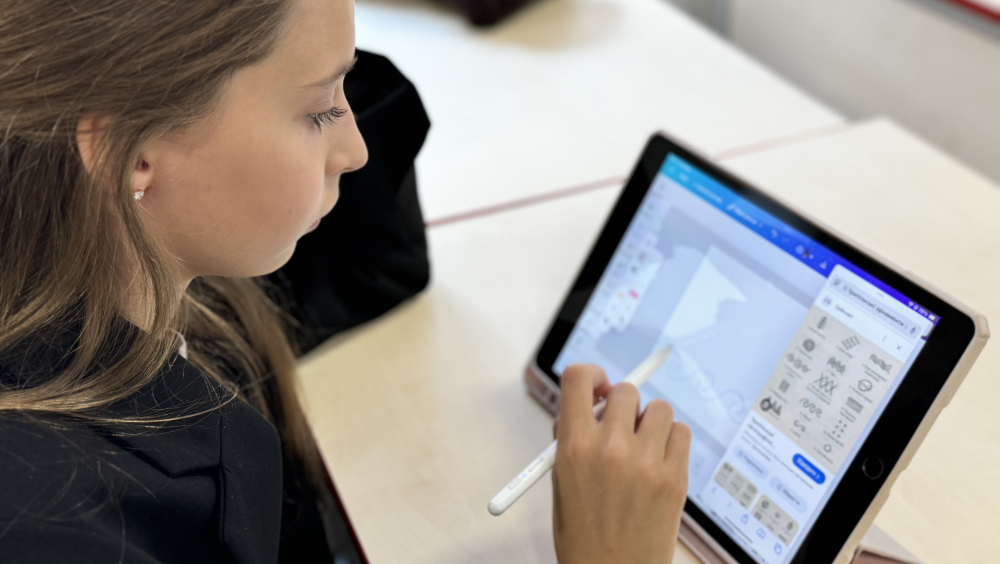
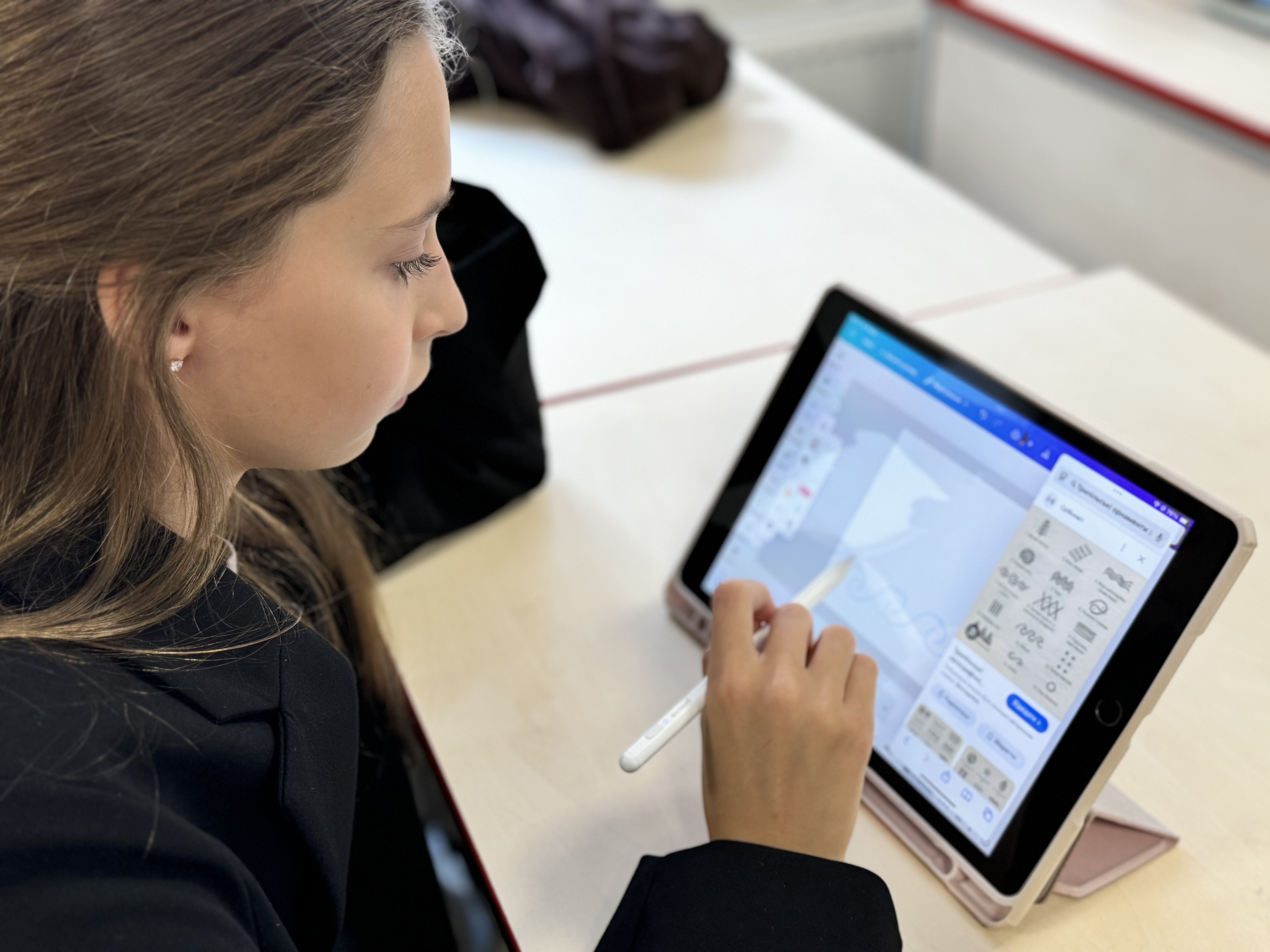
The next stage of our work was a detailed study of Trypillian ornamentation. We examined symbols
associated with fertility, prosperity, peace, and well-being. After learning the meanings behind this symbolic
alphabet, we started creating our own sketches, combining authenticity with personal interpretation to
bring the past to life through new visual messages.
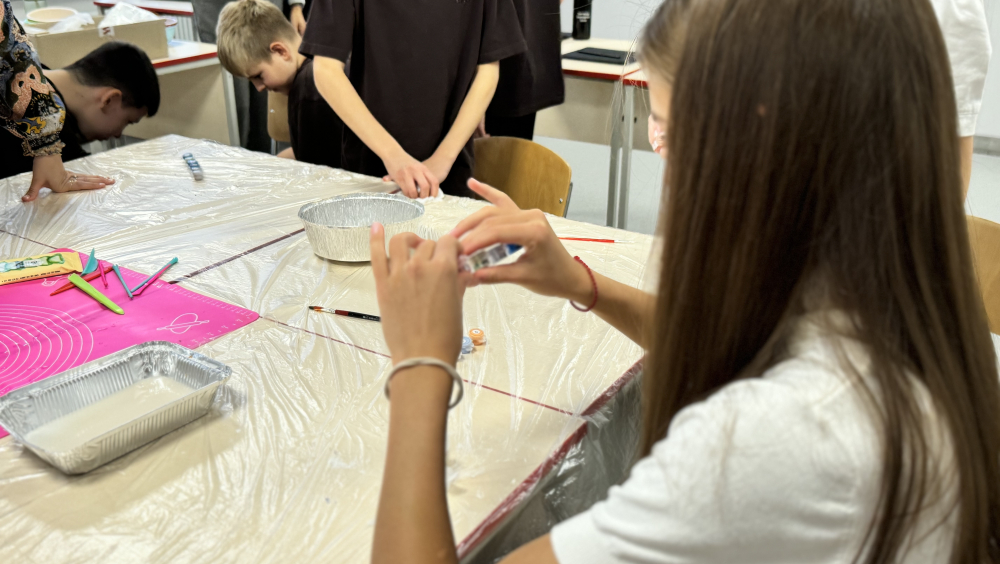
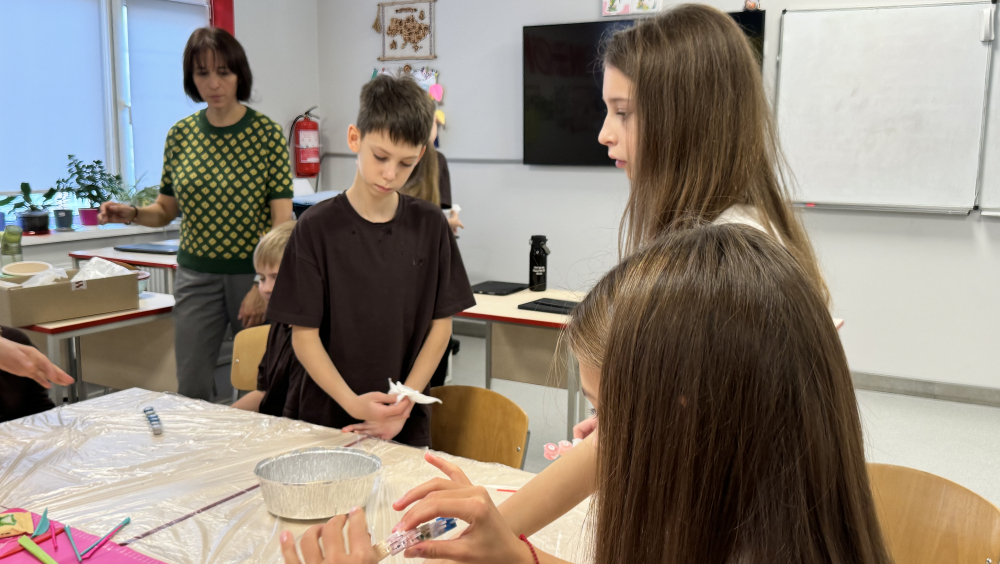
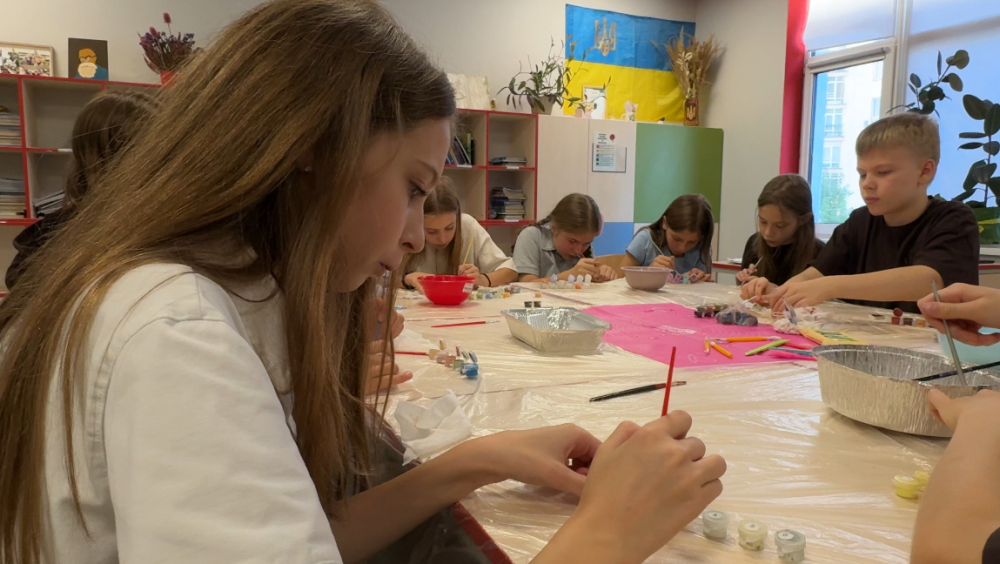
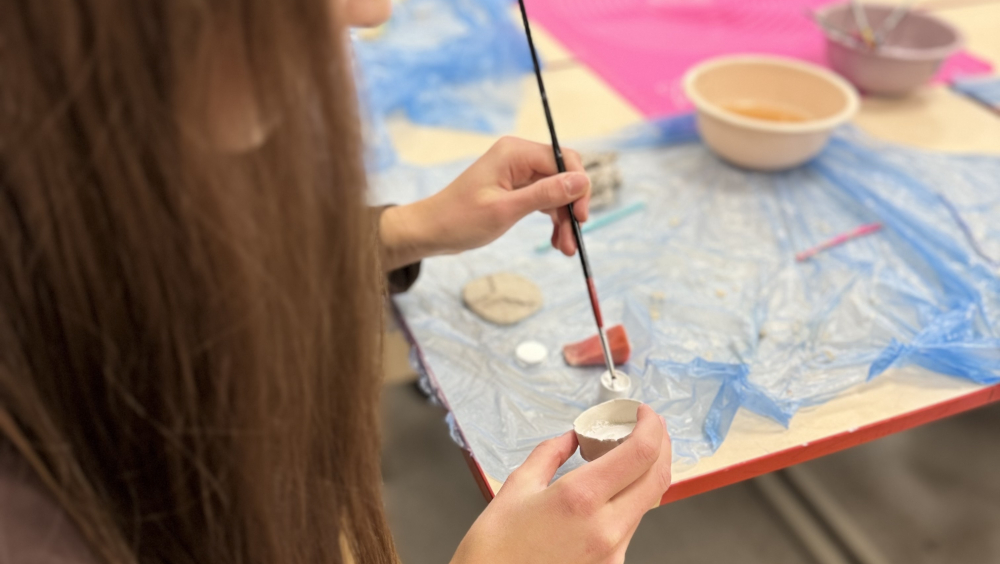
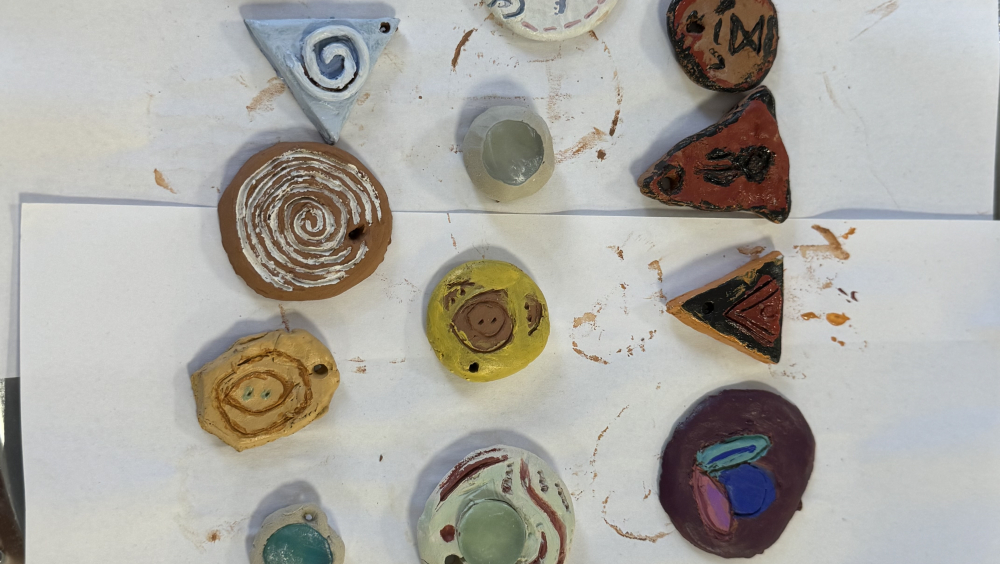
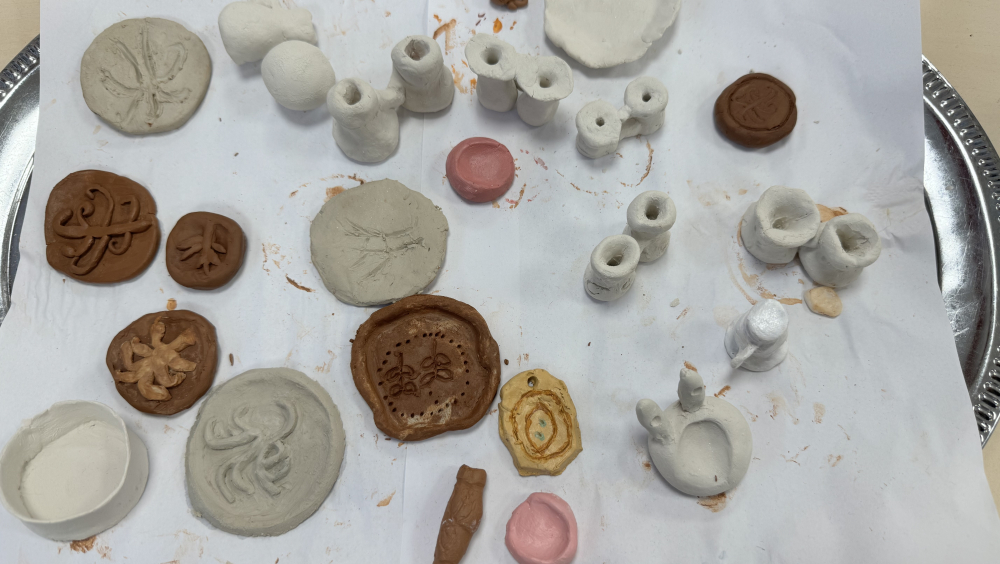
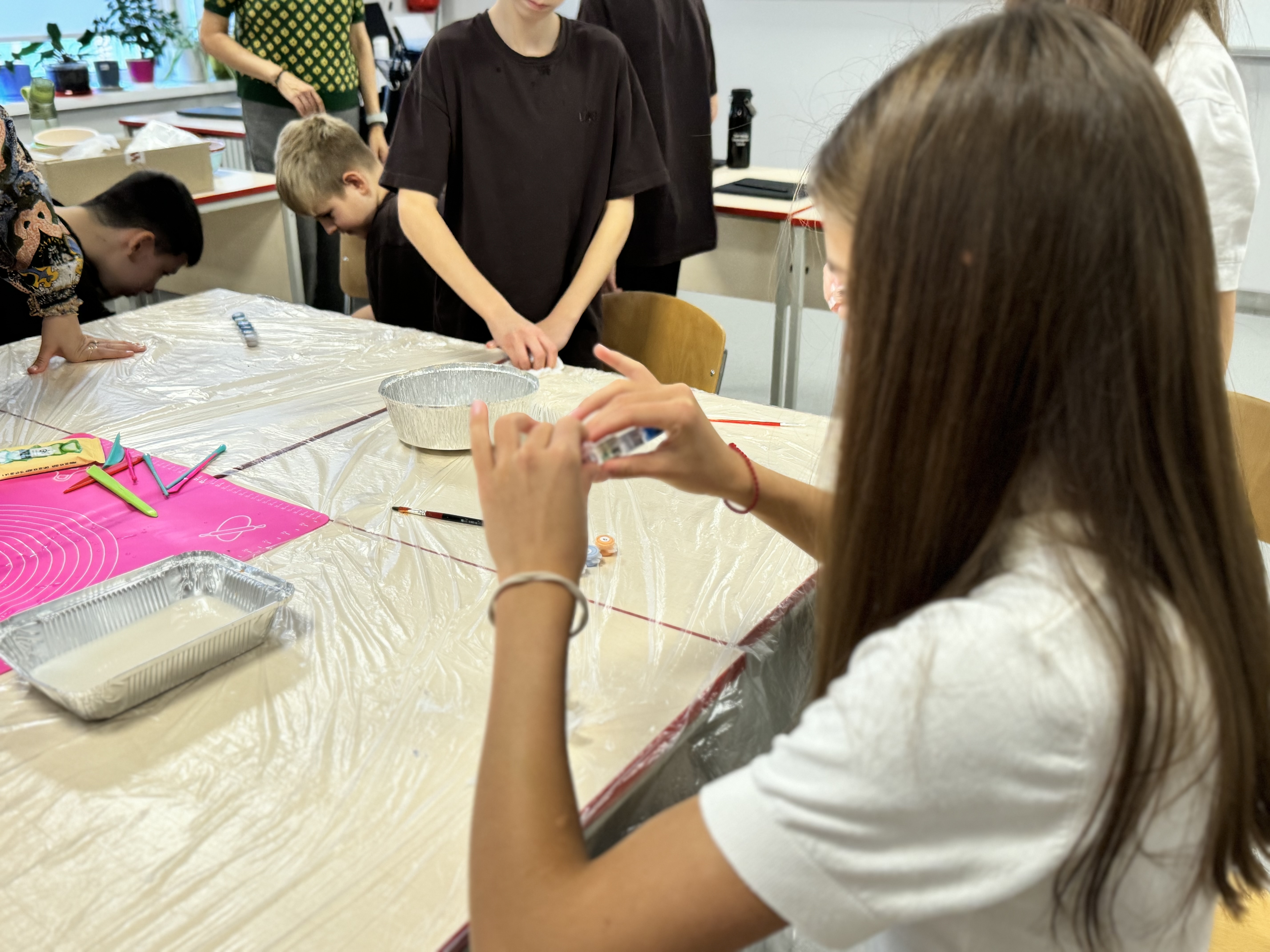
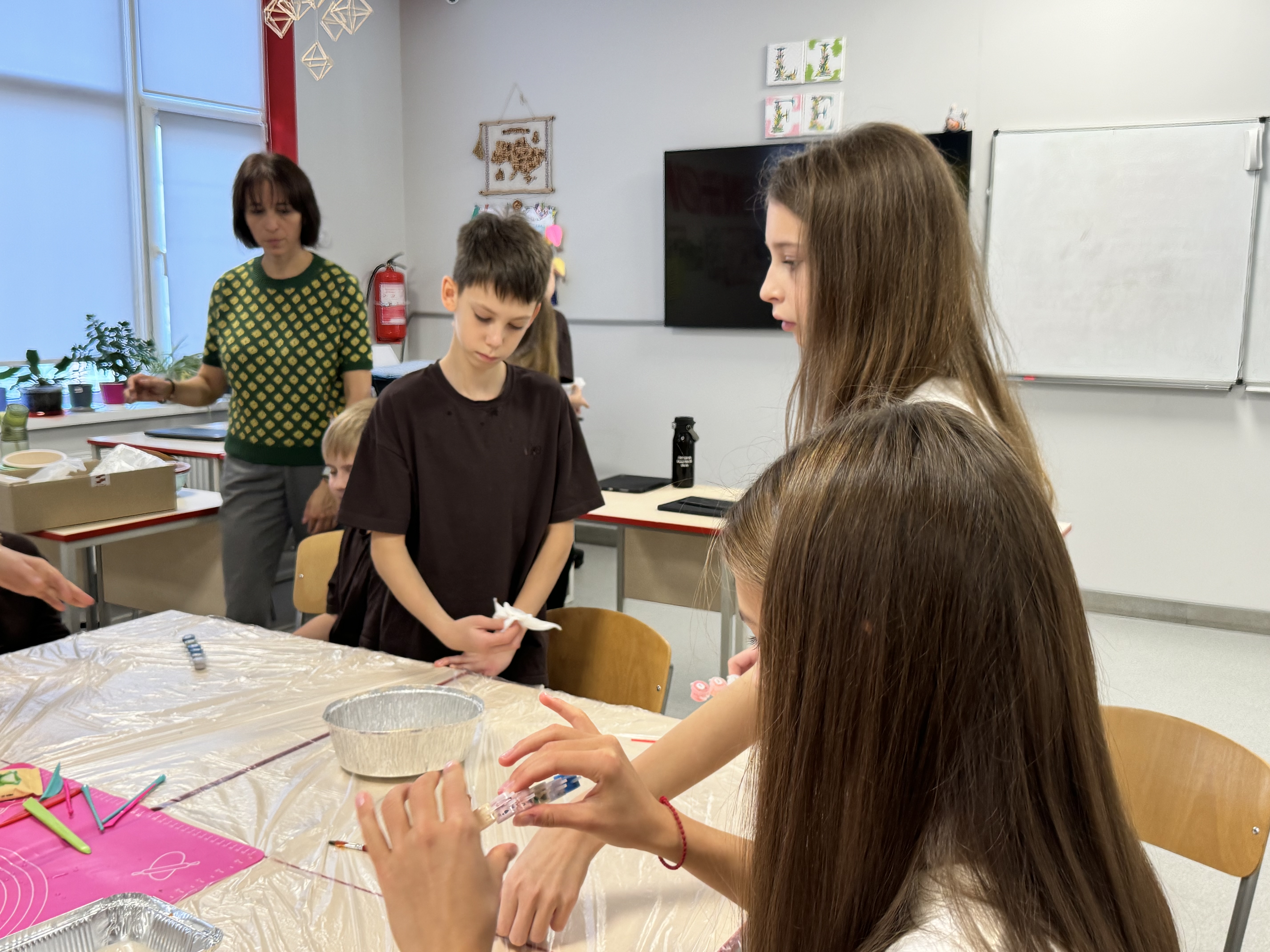
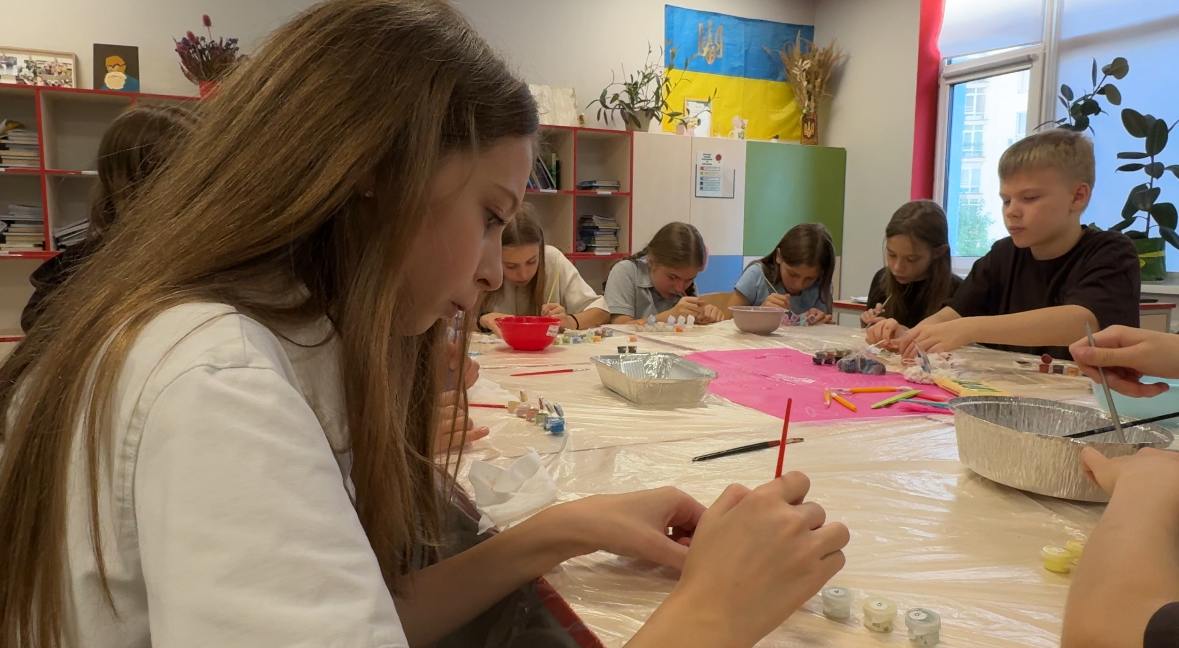
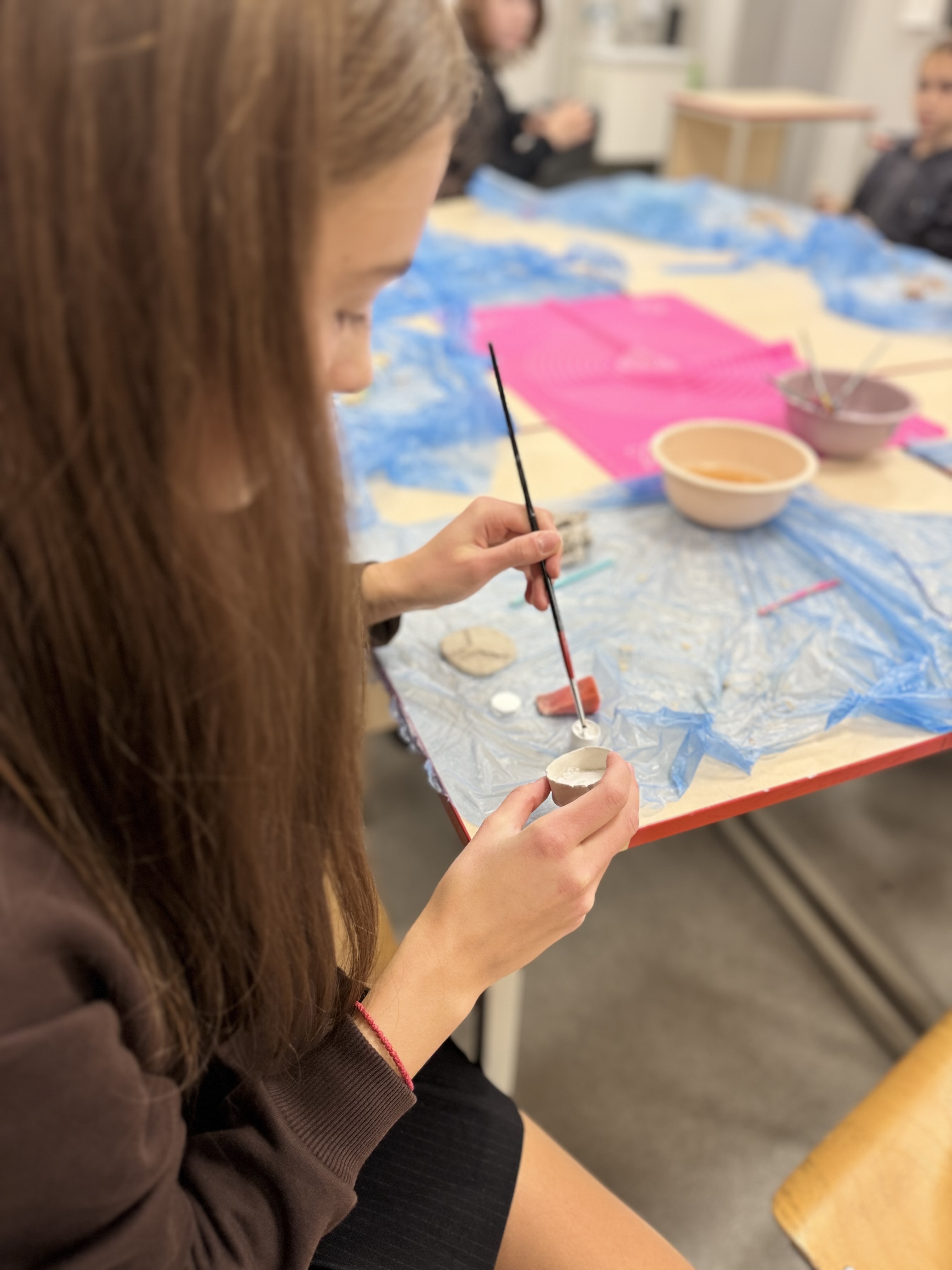
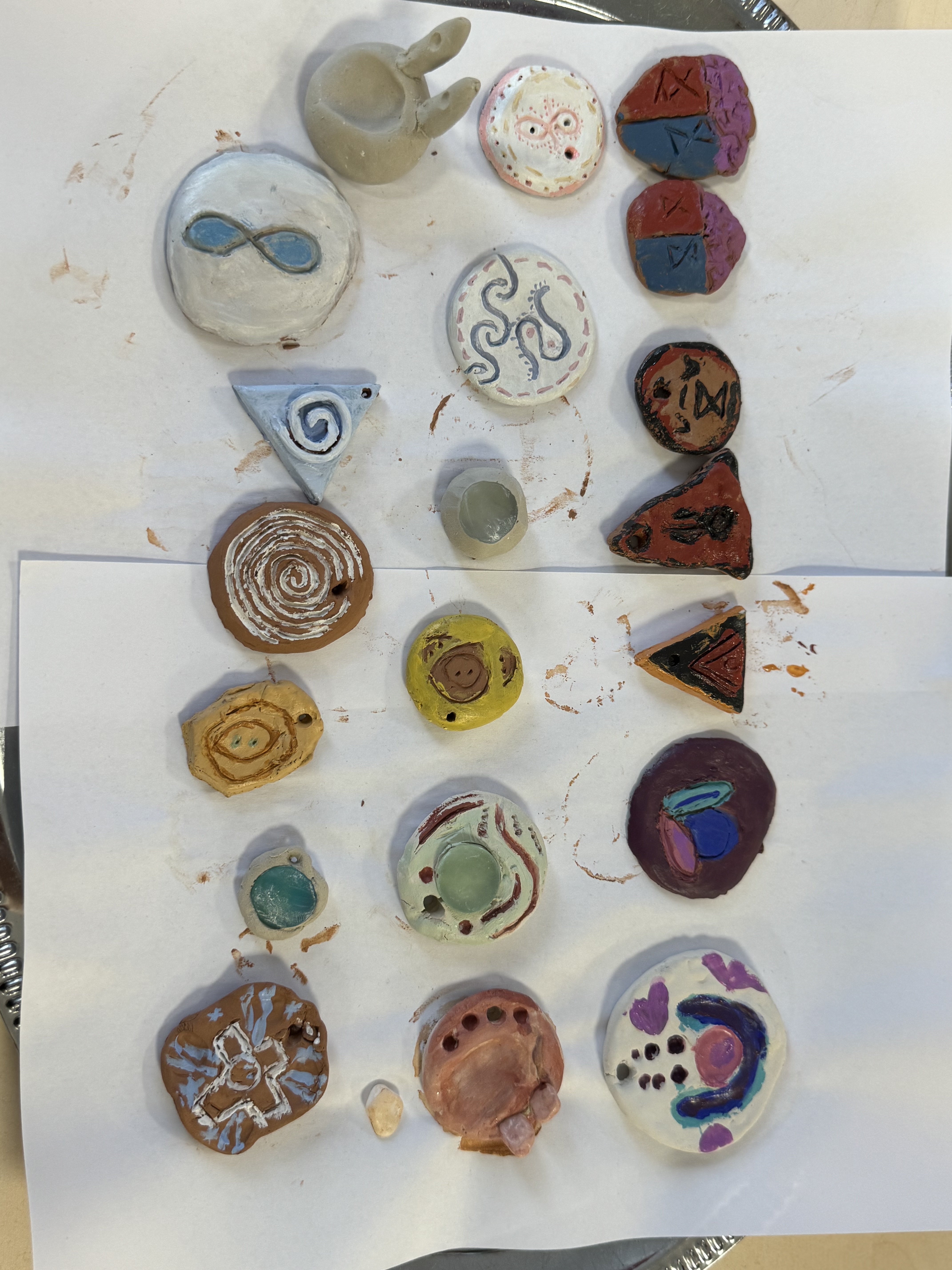
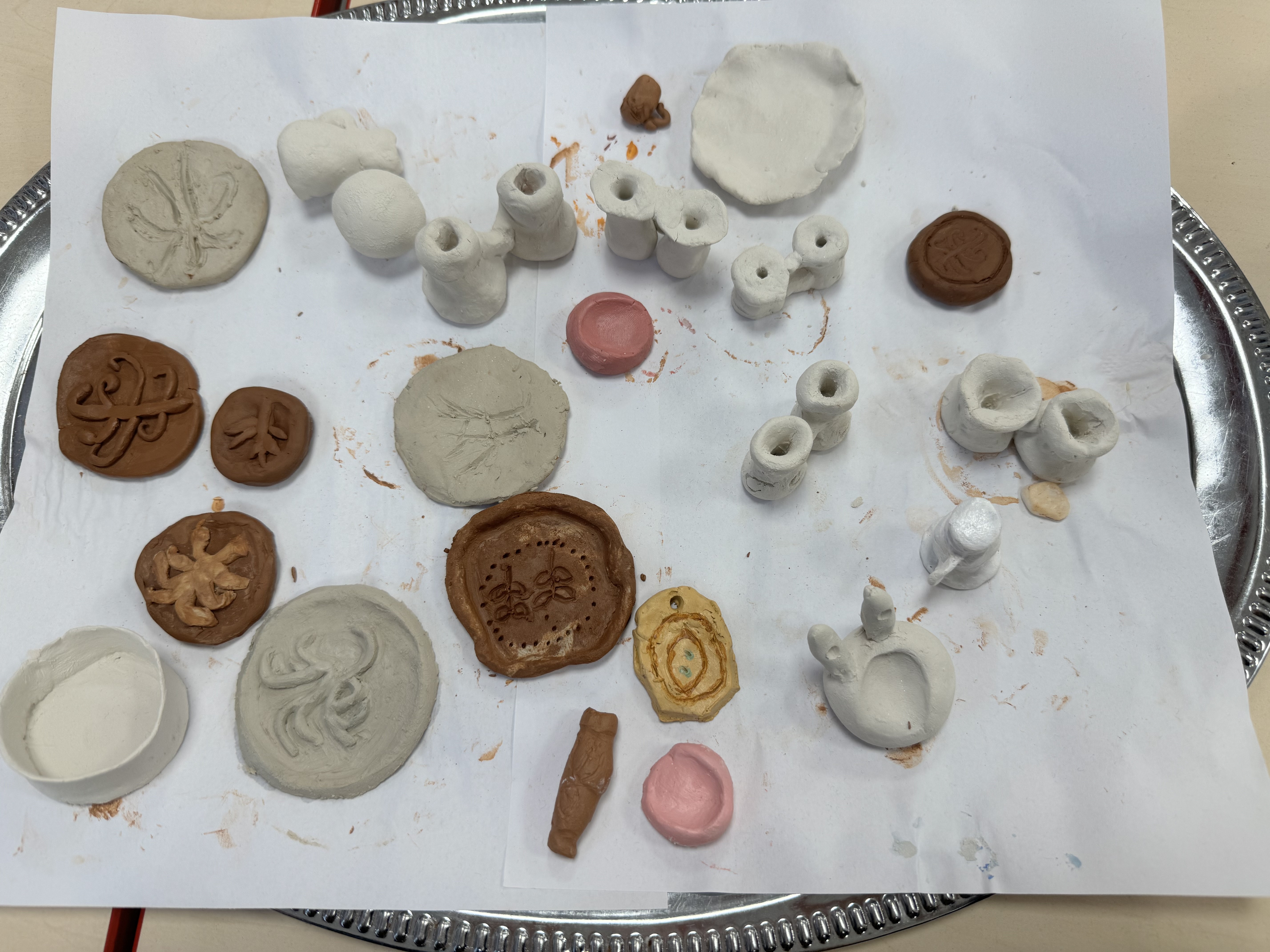
We then moved from research to practice by working with clay. Reproducing ancient patterns proved
challenging. At first, the clay would not cooperate, spreading under our fingers and refusing to hold the
desired shape. Through repetition, patience, and teamwork, we achieved steady progress. Step by step,
history became tangible. We created jewellery, jugs, binocular-shaped vessels, and unique magnets
featuring the Tree of Life, a motif connected to the broader European myth of the World Tree.
A key outcome of our research was the understanding that Trypillian symbols were not merely decorative.
They also carried meaning and could function as a form of communication. This idea guided our creative
decisions. We aimed to reproduce the symbols accurately while adding our own reinterpretation and
message.
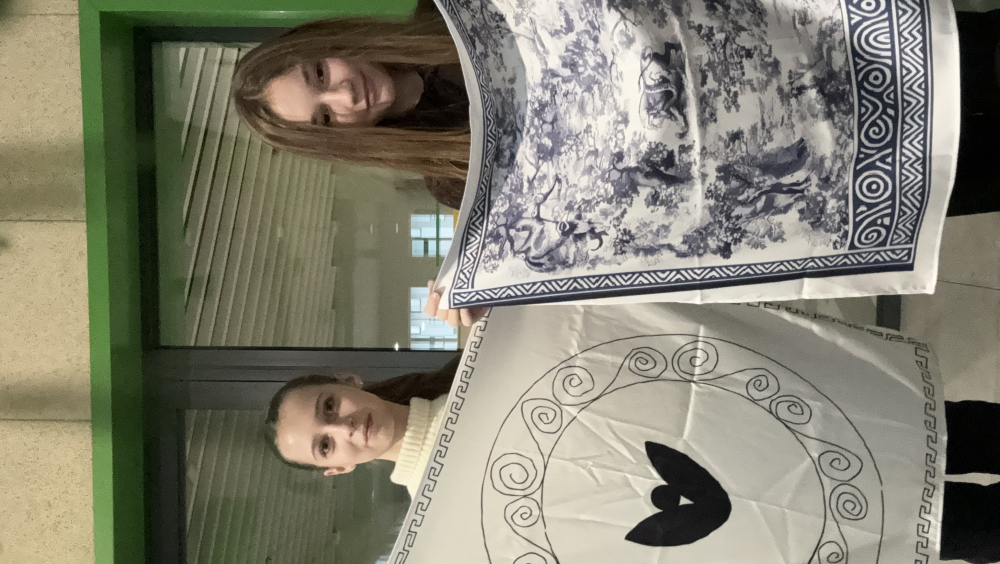
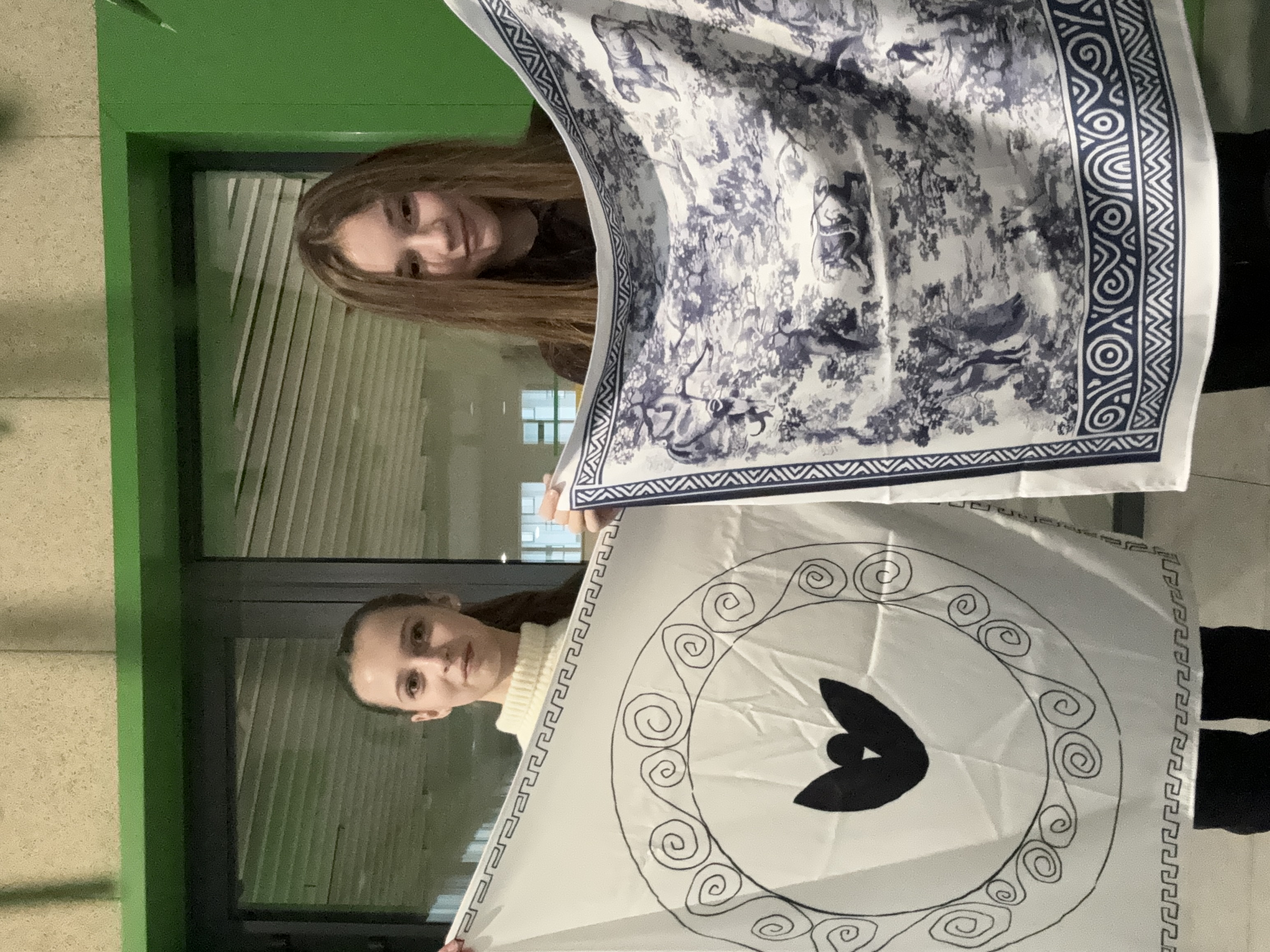
Finally, we integrated Trypillian symbolism into modern accessory design. We chose silk scarves as our main
product and selected a natural colour palette to reflect Trypillia’s philosophy of unity between humans and
nature. We used the tones of earth, plants, and flowers. We carefully styled and positioned the ornaments
so that the design would remain organic and meaningful, conveying a clear message: “We exist. Our culture
has deep roots. It is aesthetic and relevant today.”
We digitised our sketches and transferred the designs onto fabric. The finished scarves became modern,
wearable reminders of Ukraine’s ancient heritage, easy to pair with different outfits and suitable for many
occasions. The interest and questions we receive from others help us achieve our main objective:
popularising Trypillian culture and encouraging deeper engagement with our past.
For us, the Trypillia code has been deciphered at least to this stage. Yet the depth of history continues to call
new researchers, and we are glad to share the results of our work and creative exploration.