European Heritage Days Article:
Comment encourager la participation au thème du patrimoine en péril de cette année ?
European Heritage Days Article:
Comment encourager la participation au thème du patrimoine en péril de cette année ?
Photo : Homme à vélo - Histoire des JEP, Moldavie, 2024 crédit photo, Gheorghe Sova - Asociatia Obsteasca Alianta Intre Generatii
Voici quelques idées pour aider les individus et les communautés à participer à la protection et à l'appréciation du patrimoine en péril pendant cette saison des Journées européennes du patrimoine.
Mettre en évidence les possibilités, apporter un soutien et organiser des événements communautaires
Il y a trois ans, des gens sont venus à une fête et ont demandé : "Qu'est-ce que c'est que cette tour ? "C'est quoi cette tour ?" J'ai commencé à leur expliquer et je les ai fait monter. Le couple m'a littéralement dit : "Vous feriez un bon guide" : "Vous feriez un bon guide !" Traduite du néerlandais, cette histoire raconte comment l'un des ambassadeurs de la Journée des monuments ouverts en Flandre a commencé à organiser des visites d'un bâtiment historique à l'occasion des Journées européennes du patrimoine. Avec plus de 2 500 organisateurs d'événements et 44 000 bénévoles ayant participé aux Journées du patrimoine en Angleterre l'année dernière, il est clair que de nombreuses personnes souhaitent s'impliquer dans la création d'événements et soutenir les organisations du patrimoine qui ont souvent besoin de ressources supplémentaires pendant les Journées européennes du patrimoine. Les médias sociaux, les bulletins d'information et les communiqués de presse peuvent tous contribuer à faire connaître ces rôles et à sensibiliser les gens à la manière dont ils peuvent participer en créant leurs propres activités dirigées par la communauté. Essayez simplement d'annoncer à l'avance les opportunités de ce type afin que les gens aient le temps de postuler et de faire des projets.
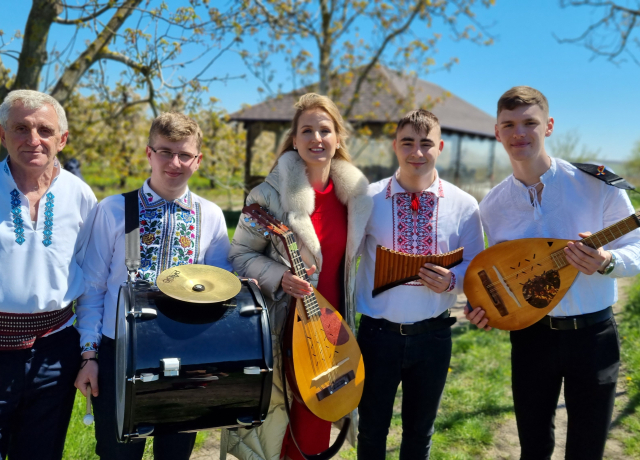
Mettre en lumière la passion des participants actifs au DHI par le biais d'études de cas, d'interviews ou de programmes de reconnaissance peut également inspirer d'autres personnes à participer, comme le programme Ambassadeur en Belgique ci-dessus qui crée des profils de personnes intéressées par le patrimoine à travers des perspectives personnelles sur leur travail et des recommandations de leurs lieux préférés qui peuvent être visités pendant les festivités. En encourageant la présentation de récits pour les Journées européennes du patrimoine, on peut également attirer l'attention sur le travail accompli par les gens pour soutenir leur patrimoine culturel, comme dans cette histoire qui décrit comment un homme de Moldavie a traversé le pays pour faire revivre l'utilisation d'instruments traditionnels tels que l'accordéon et les sifflets.
D'autres efforts visant à stimuler la participation peuvent se concentrer sur l'implication de publics spécifiques. Par exemple, la collaboration avec des écoles ou des universités pourrait permettre d'organiser une conférence telle qu'un sommet des jeunes sur le patrimoine en péril. Cette conférence pourrait rassembler des jeunes pour discuter des problèmes et proposer des solutions pour sauvegarder le patrimoine culturel ou naturel avec leurs pairs. Une autre option serait d'organiser un festival communautaire de contes afin d'atteindre des personnes d'horizons divers pour partager les connaissances de la communauté par le biais d'histoires et de liens avec le patrimoine en danger. Le soutien aux communautés peut également consister à leur fournir des ressources pour leur permettre de mieux préserver leur patrimoine. Par exemple, des compétences numériques pourraient être enseignées pour un projet de photographie ou d'archivage en ligne qui documente le patrimoine local en voie de disparition, tandis qu'une formation à l'enregistrement, au montage et à la production d'histoires orales pourrait aider à la création d'audioguides ou de podcasts présentant des souvenirs personnels sur l'identité locale et les traditions patrimoniales en voie de disparition.
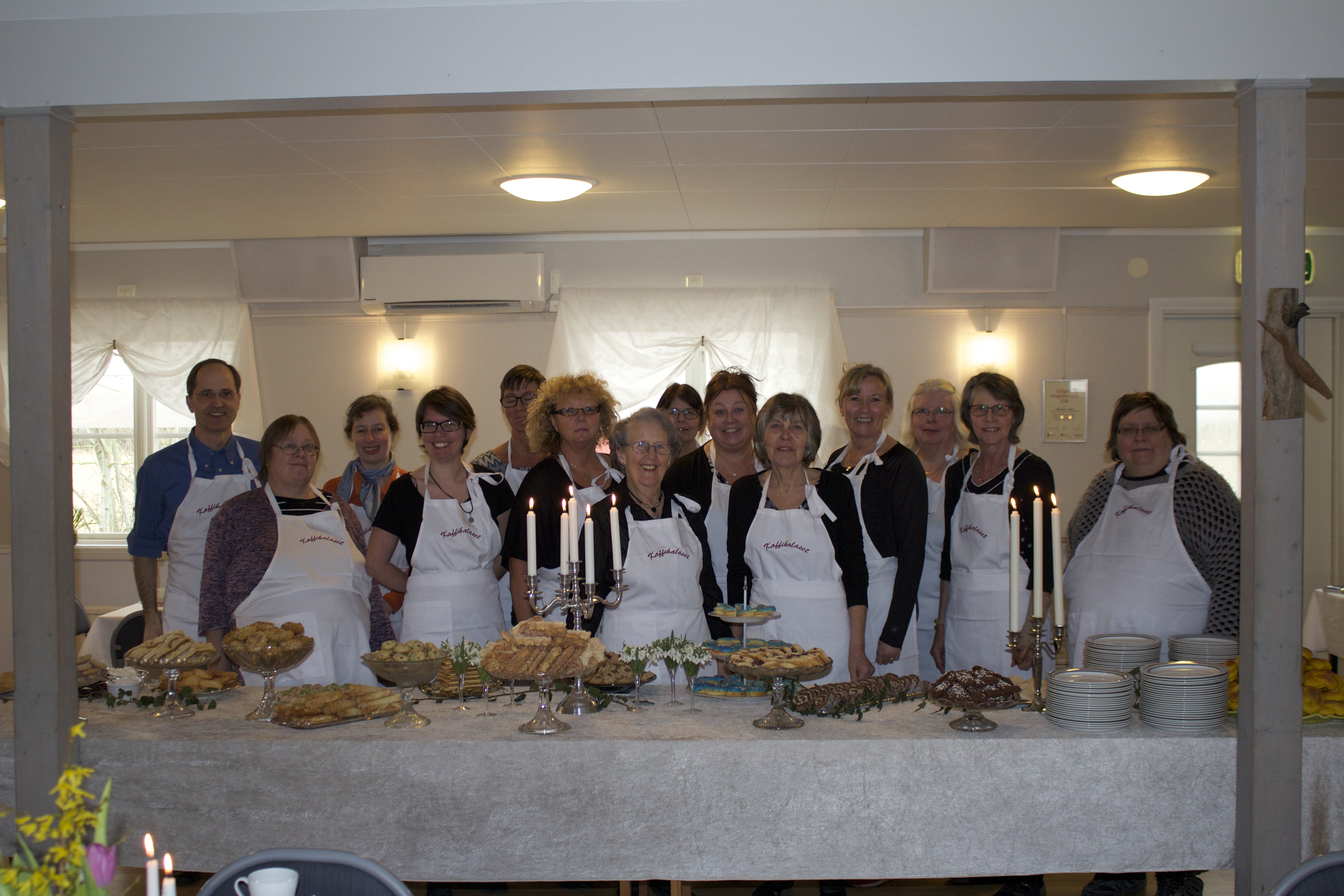 Kaffikalas in Gothem, Gotland – EHD Story, Sweden, 2020 (credit, Consuelo Griggio / Bottarve Museum)">
Encourager les activités interactives et créatives
Les activités interactives sont un excellent moyen d'impliquer les visiteurs dans le thème des Journées européennes du patrimoine. Par exemple, les ateliers créatifs peuvent être adaptés à tous les groupes d'âge et peuvent communiquer sur des sujets liés au patrimoine en péril en enseignant des méthodes artisanales locales uniques comme la fabrication de poteries, des compétences traditionnelles comme la calligraphie utilisant des lettres ou des mots de langues régionales ou minoritaires ou des coutumes culturelles comme les chants et les danses folkloriques. Les séances d'accueil peuvent être particulièrement efficaces pour les familles, tandis que les événements de cuisine et de pâtisserie ont également un large attrait et pourraient être utilisés pour partager des connaissances sur des recettes moins connues ou historiques. Les événements alimentaires peuvent également se concentrer sur des pratiques culinaires en voie de disparition, comme le montre cette histoire des Journées européennes du patrimoine en Suède, où un groupe de bénévoles a décidé de faire revivre les rituels des événements Kaffikalas en faisant des recherches sur ces types traditionnels d'occasions sociales formelles et en les organisant comme service de traiteur. "Les générations plus âgées revivent certains des rituels des Kaffikalas de leur enfance, tandis que les générations plus jeunes et les personnes d'origines différentes apprennent à apprécier cette expression particulière du patrimoine de Gotland", expliquent les conteurs qui maintiennent cette tradition vivante sur l'île de Gotland en servant une variété de gâteaux aromatisés au safran et à la cannelle.
Les concours sont un autre moyen de motiver les gens à partager leurs liens personnels avec les traditions, les histoires ou les sites du patrimoine. Jetez un coup d'œil au concours Monument Snapshots de l'Open Monument Day en Allemagne ou à Wiki Loves Monuments pour vous inspirer de la photographie du patrimoine culturel, ou envisagez les possibilités de raconter des histoires par le biais de films utilisant des images d'archives et des interviews. Un autre moyen d'encourager la participation peut être de rassembler les gens autour d'une œuvre créative commune. Une idée suggérée dans la brochure de cette année destinée aux organisateurs est la réalisation d'une courtepointe du patrimoine, où chacun coud un patch représentant un aspect du patrimoine local qui lui tient à cœur et qui est ensuite combiné pour former un textile plus grand. La peinture d'une fresque dans un espace public est un autre exemple d'événement créatif collaboratif qui pourrait se concentrer sur le patrimoine en danger à travers des images choisies par la communauté d'artisanats traditionnels, de coutumes ou de bâtiments historiques en péril.
Promouvoir la diversité linguistique et la collaboration transfrontalière
Contacter les sociétés d'histoire locale et les groupes communautaires est toujours un moyen utile d'établir des liens avec des personnes qui peuvent aider à planifier, accueillir et soutenir les événements des Journées européennes du patrimoine. Cette année, cette approche pourrait être particulièrement utile pour trouver des porte-parole linguistiques dans le cadre du volet "Patrimoine en péril" basé sur la Charte européenne des langues régionales ou minoritaires. Ce volet vise à faire en sorte que ces voix soient entendues dans les lieux publics, par exemple par le biais d'audioguides ou d'étiquettes dans les musées, ce qui peut permettre de mieux comprendre l'influence de ces langues sur les noms de lieux, la musique, les coutumes et la vie quotidienne. Le soutien à la diversité linguistique pourrait également prendre la forme de projections spéciales dans des cinémas présentant des films dans lesquels figurent plusieurs langues parlées ou sous-titrées, ce qui, selon le lieu, pourrait inclure des langues telles que le cornique au Royaume-Uni, le limbourgeois aux Pays-Bas ou le romanche en Suisse. D'autres événements pourraient s'intéresser au patrimoine immatériel et à l'identité incarnés par ces langues, comme des dégustations dans des entreprises alimentaires ou des restaurants locaux, où les gens pourraient goûter des plats traditionnels tout en apprenant leur nom et les histoires qui s'y rattachent dans les langues régionales ou minoritaires.
Un autre moyen de garantir une participation diversifiée est de travailler avec des organisateurs d'autres régions et de renforcer la nature paneuropéenne des Journées européennes du patrimoine. Par exemple, un événement d'échange international pourrait inviter des représentants de différents pays à discuter et à partager des études de cas et des stratégies de protection du patrimoine confronté à des risques similaires. Les sites portant le label du patrimoine européen sont un moyen potentiel de trouver des partenariats transfrontaliers et pourraient fournir des espaces pour accueillir des événements tels que des ateliers d'échange linguistique ou culturel. Le tourisme culturel durable pourrait également être encouragé dans le cadre de ce thème, peut-être en s'inspirant de l'un des itinéraires culturels du Conseil de l'Europe, qui réunit des sites couvrant un large éventail de sujets tels que les jardins historiques, les villes thermales et l'art de la céramique.
De plus amples informations sur le thème du patrimoine en péril, ainsi que des idées d'événements et des ressources complémentaires sont disponibles dans la brochure de cette année destinée aux organisateurs, ainsi que dans les bannières téléchargeables Patrimoine en péril : revivre, résister, réimaginer.