
European Heritage Days Article:
Heritage at Risk Event Ideas to Explore Threats and Resistance
European Heritage Days Article:
Heritage at Risk Event Ideas to Explore Threats and Resistance
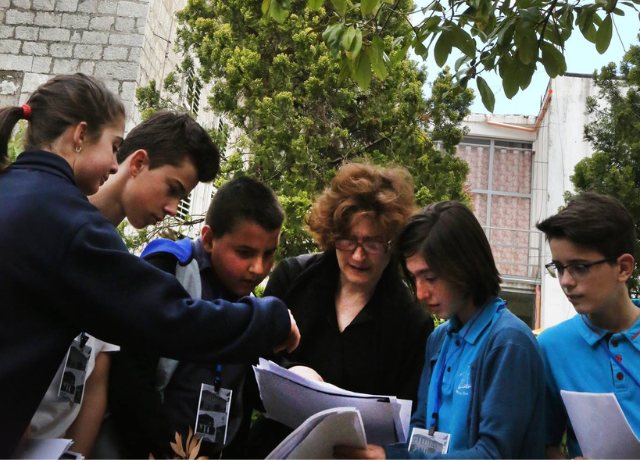
City's Untold Tales - Shkodra Edition, EHD Story, Albania - Credits: © Marubi National Museum of Photography
Climate change
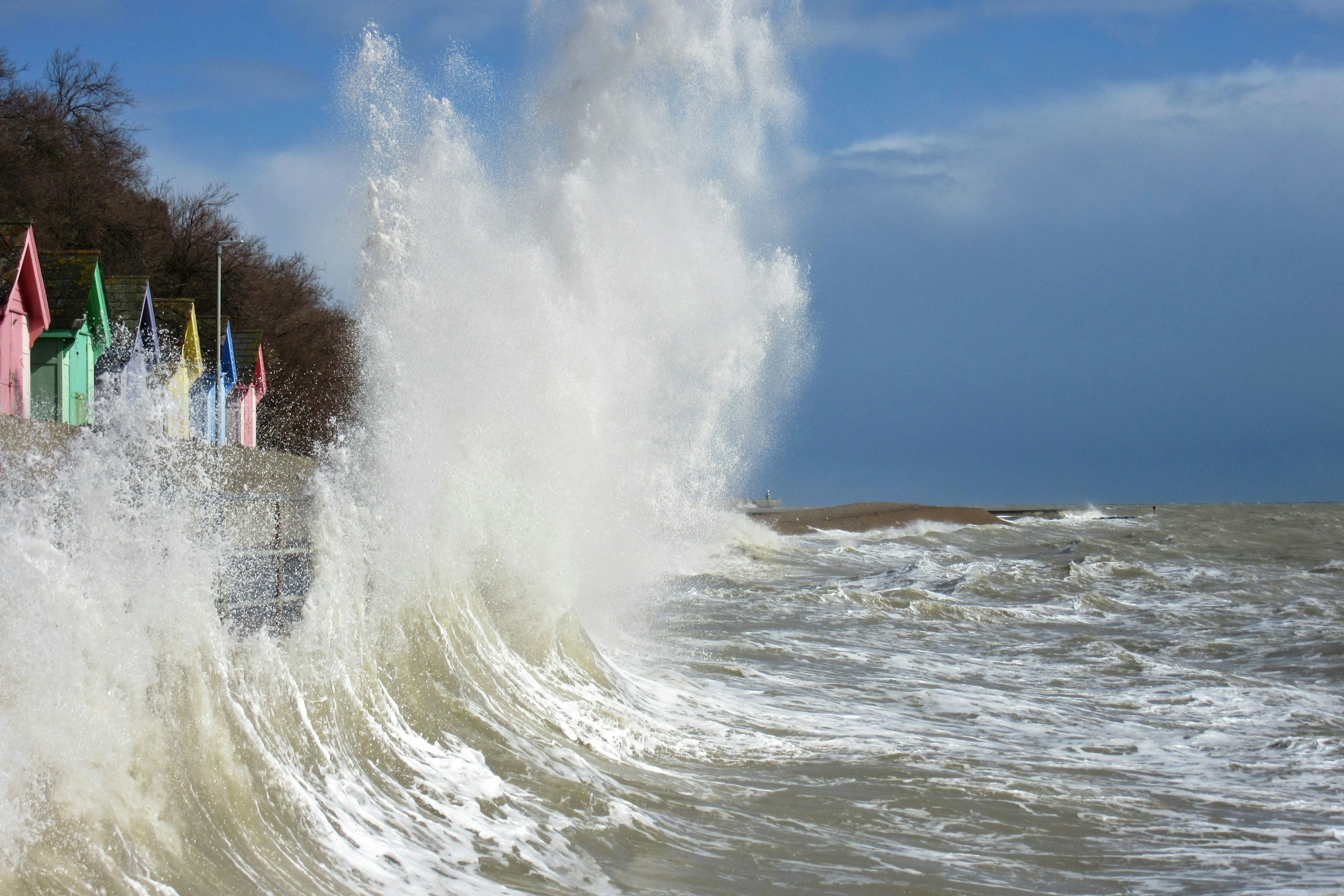
Amongst the threats facing heritage considered by this year’s annual theme are the effects of climate change. This includes dangers in rural settings, like assessing how degraded ecosystems affect natural heritage and how changes to the landscape alter the context for cultural practices, as well as the urban environment such as damage being caused to historic monuments. Vulnerable to rising sea levels, coastal heritage is one particular area which could be focused on. Events could examine the wildlife and geology under threat in these environments as well as demonstrating how architecture along the shore has long been designed to combat the challenges of seaside locations while exploring what more could be done to adapt and innovate building designs against extreme weather events in the future. Historic gardens are another environment to consider. Taking groups on immersive walks through green spaces in the town of Begara in Spain, the Gardens With History: a Walk Through Sustainability European Heritage Days Story is an example of an event highlighting ecological management measures which can help protect gardens as important spaces for both biodiversity and community well-being. Guided tours like this could examine how climate change is affecting factors such as landscaping and plant selection, as well as providing tips on how visitors can implement sustainable gardening practices at home or in community gardens.
Talks or workshops held by local people who rely on threatened ecosystems for sustenance or identity, such as farming communities, could help explain how traditional knowledge can provide valuable contributions to modern climate resilience strategies. Reaching out to climate science departments at universities, environmental NGOs and urban planning groups, could also help with finding event venues and expert speakers for a range of events exploring climate change issues. Other helpful resources can be found in the Heritage at Risk brochure for organisers, such as Horizon Europe; a funding and research programme tackling climate change through projects such as The EU Cities Mission which aims to support 100 cities in becoming climate-neutral by the end of the decade, and The European Partnership for Resilient Cultural Heritage which is looking at solutions to the challenges of climate change in transmitting cultural heritage to future generations. Other connections between climate change and culture are being demonstrated by the Climate Heritage Network which works to empower those working in arts, culture and heritage to get involved and be heard in climate planning and action through initiatives such as international peer-to-peer exchange of culture-based approaches to climate resilience.
Conflict and migration
The disruption to cultural heritage through displacement is another area which Heritage at Risk will be considering. Whether moving due to conflict, economic factors or climate-induced pressure, displaced communities can face changes to the settings and context of their traditional practices and cultural identities. During this year’s events, participatory activities can provide ways to involve contributions from these groups and foster cultural exchange, such as through workshops hosted by craftspeople to teach traditional skills they’ve brought with them. Additionally, panel discussions with historians, anthropologists, and community leaders could talk about cultural heritage in diaspora settings, alongside refugees and migrants sharing personal stories about how they’re preserving their heritage in new contexts. Other events might look at past migration experiences, using examples such as The Pyrenean Freedom Routes. Recently added to the Council of Europe’s Cultural Routes, places along these paths provide space to reflect on the journeys of over 55,000 people who escaped occupied France during the Second World War.
Another aspect covered by the Heritage at Risk theme is highlighting the dangers for heritage sites and cultural objects which face threats such as destruction or looting in conflict zones. Interactive maps or exhibitions could be used to show the displacement of artefacts and explain international efforts to combat illicit trafficking of cultural property such as The Council of Europe’s Nicosia Convention. Alongside a look at threats, resistance could also be portrayed through places, people or movements which represent cross-border cooperation and peaceful values such as human rights and democracy. European Heritage Label sites could be a source of ideas for this, as seen in the European Heritage Days Story, The Architects of Peace which highlights the significance of places such as The Peace Palace at The Hague.
Overdevelopment, urbanisation and globalisation
Elements of globalisation and the relocation of people from rural to urban environments are also examples of topics which could be examined by the Heritage at Risk theme. While broadening access to goods and cultural exchange, a more global trading environment can put pressure on local economies, undermine traditional employment practices and weaken cultural traditions, crafts and skills. Events could look at examples where communities have found a balance between modernisation and heritage preservation and showcase the skills of artisans working in areas such as textiles or food production through demonstrations and storytelling. The process of urbanisation and the resulting decline in rural ways of life can also be highlighted, with the aim of reconnecting residents in cities and towns with the practices and cultural identity of those living in nearby countryside.
"I'm surprised by the hidden stories of these places. I'm going to tell my friends at school and my parents at home about them” was one response to an educational project in Albania aiming to connect school children with historical and cultural memories in the city of Shkodra. Described in a European Heritage Days Story, the City’s Untold Tales initiative encourages children to explore the city using archival photos and maps for interactive treasure hunt style activities, and aims to combat the alienation experienced by younger generations in rapidly developing urban spaces by revealing stories of their hometown’s people, buildings and landscapes. Reflecting the Council of Europe’s Granada and Valletta Conventions, which consider urban planning policies to protect architectural and archaeological heritage respectively, another aspect of Heritage at Risk will be assessing the danger to heritage sites through overdevelopment, demolition and alteration of the character of historic areas, as well as exploring how fast change can risk collective memory being lost. Urban walking activities like the one above are a very flexible format for events and can be tailored to suit any age group. Whether self-guided or led by historians, architects or residents, tours and routes can be adapted to focus on a range of themed topics such as examining changes to the skyline over time or development projects which have successfully balanced modernisation with historic architectural preservation.
More information about the ‘resist’ strand of this year’s annual theme can be found in the Heritage at Risk: Revive, Resist, Reimagine brochure, along with further resources for research and event ideas.